
A poolside worker may need a phone that survives rain and splashes, but “1.5 m deep waterproof” is a much more specific claim. A published IP rating does not automatically promise safe use in chlorinated pool water, repeated submersion or a drop into a full pool.
Describe the exposure
List likely events: wet hands, splashes, accidental fall, immersion depth and expected recovery time. Pool chemicals, cleaning products, heat and saltwater are not identical to the freshwater conditions used in many ingress tests. Ask the manufacturer which liquids and cleaning methods are permitted for the exact device.
Obtain the stated immersion conditions
If 1.5 meters is mandatory, request the product-specific depth, duration and report, not just an IP68 icon. Check whether all ports and seals were closed and whether the rating is for a new, undamaged handset. Avoid underwater photography or charging while wet unless explicitly supported by the manufacturer for that use.
Plan what happens after a splash
Teach staff to inspect seals, follow approved rinsing and drying instructions, and avoid connecting a charger to a wet port. After an impact or repair, ask whether the device needs a sealing check. Keep a backup communication method for pool safety tasks; a phone's ingress claim is not a safety system.
Use the product listing carefully
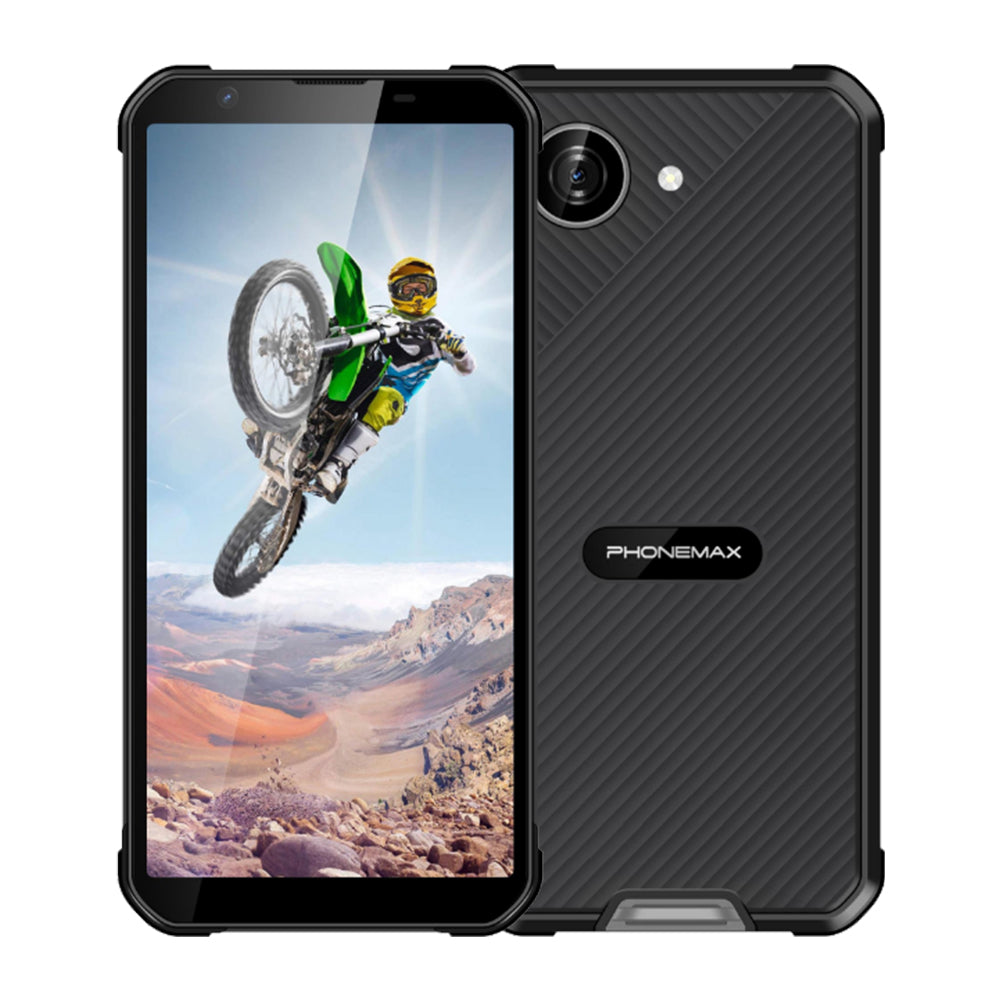
The Phonemax X5 page lists IP68 protection. That is not, by itself, a specific promise of 1.5-meter pool-water use. Obtain the exact model's immersion conditions and chemical-care guidance before approving it for this scenario. A record of the actual poolside task and supplier evidence makes the purchase decision testable.


Efterlad en kommentar
Alle kommentarer er modereres, før de bliver offentliggjort.
'Denne side er beskyttet af hCaptcha, og hCaptchas Politik om beskyttelse af persondata og Servicevilkår er gældende.