

A 6000mAh capacity target is useful for narrowing a shortlist, but a field team ultimately needs the phone to finish its route with a usable reserve. Define that operational requirement before comparing products.
Build the workload from actual duties
Count the normal calls, navigation time, photographs and data uploads. Include the least reliable reception area on the route because a convenient office trial may not represent field use. Start each phone at the same charge level and record settings and ambient conditions.
Choose and test a reserve
Decide how much remaining charge is needed for a delayed journey, extra assignment or missed charging opportunity. Record charge at consistent checkpoints and after the final task. Repeat an unexpectedly poor result to distinguish a persistent problem from an unusual day. Do not substitute a standby figure for this trial.
Compare candidates without changing their specifications
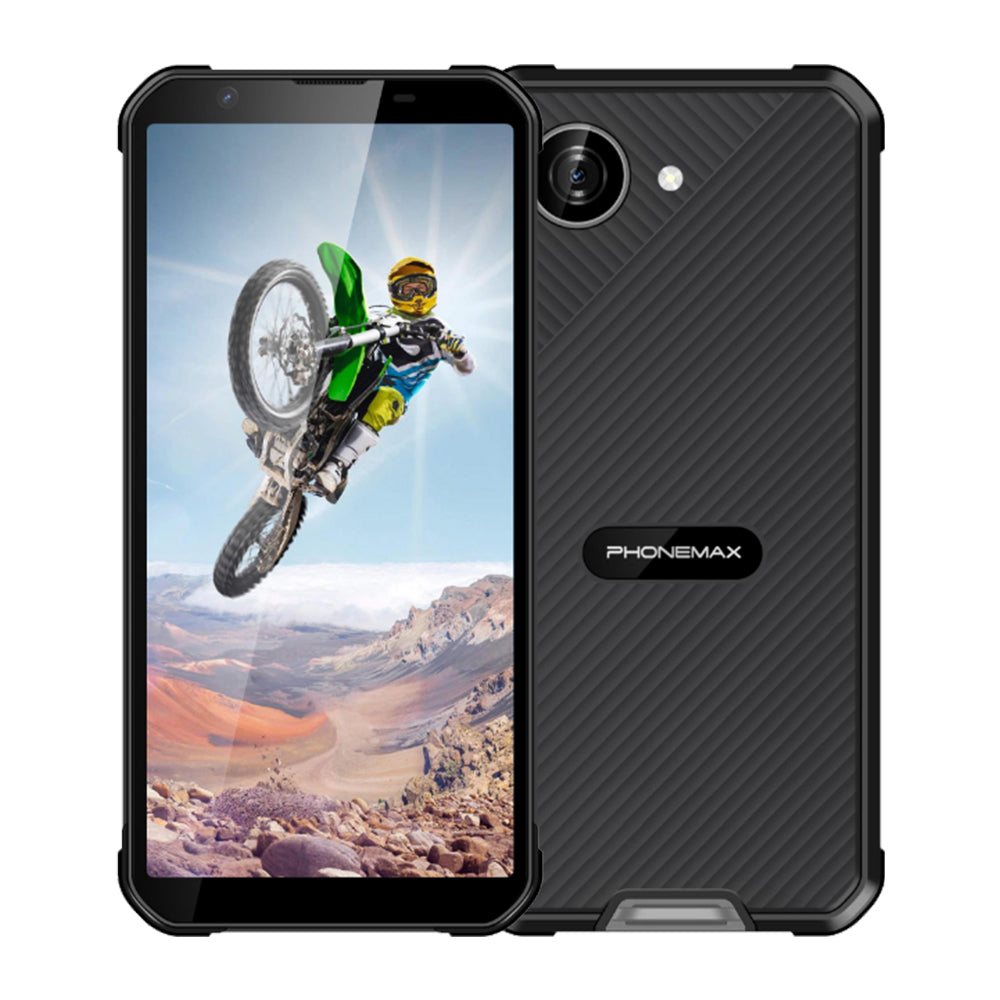
Phonemax P1 is currently listed at 6100mAh, while X5 is listed at 5000mAh. P1 can be assessed against a minimum 6000mAh requirement; X5 is a smaller-capacity alternative only if the buyer permits that change. Confirm the exact offered battery specification before approval. Record the available charger, recharge time and handover process as part of the deployment plan. A phone that passes the workload test still needs a charging routine that prepares it for the next shift.
Review the current Phonemax product information when documenting the offered model.


Efterlad en kommentar
Alle kommentarer er modereres, før de bliver offentliggjort.
'Denne side er beskyttet af hCaptcha, og hCaptchas Politik om beskyttelse af persondata og Servicevilkår er gældende.