
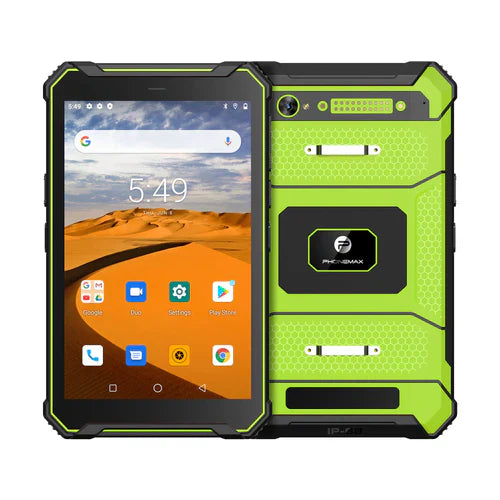
Choosing an 8-inch sunlight-readable rugged tablet for an OEM or ODM project requires more than selecting a list of attractive specifications. The most reliable projects begin with the operating environment, required software, target markets and validation plan, then translate those needs into measurable hardware requirements.
OEM and ODM: define the project scope first
In an ODM project, buyers typically start from an existing platform and customize elements such as branding, memory, accessories, software or packaging. A deeper OEM project may require more extensive changes to hardware, industrial design, interfaces or certification. The exact boundary varies by supplier, so define what is fixed and what can actually be customized before comparing quotations.
Start with the use case, not a specification sheet
Document where the tablet will be used, who will carry it and what applications it must run. Important questions include whether the device is used outdoors all day, mounted in a vehicle, exposed to dust or rain, operated with gloves, connected to scanners, or deployed across multiple cellular regions.
This project brief helps prevent unnecessary specifications while identifying features that cannot be compromised.
Specify outdoor display requirements carefully
For sunlight-readable projects, brightness is important but should not be treated as the only acceptance criterion. Ask about sustained brightness, panel contrast, reflective behavior, viewing angle, cover-glass treatment, optical bonding and touch performance. If a specific nit value is required, define the measurement method and acceptable operating conditions.
Thermal performance matters as well. A display that is very bright for a short period but dims under heat may not meet an all-day outdoor requirement.
Define rugged targets that can be tested
Terms such as “waterproof,” “drop-proof” and “industrial grade” should be converted into measurable requirements. Depending on the project, this can include an IP rating, drop height and surface, operating-temperature range, vibration conditions, connector sealing and chemical exposure.
Ask for reports or validation evidence that applies to the actual configuration being purchased. Changes to enclosure, ports or accessories can affect rugged performance.
Battery, charging and duty cycle
Specify how long the tablet must operate between charges and what functions will run during a normal shift. Bright screens, cellular radios, GNSS, scanning and camera use can materially increase consumption. Charging requirements may include USB-C, vehicle power, desktop docks or multi-bay fleet charging.
A useful requirement is a target shift duration under a defined workload rather than battery capacity alone.
Network bands and regional certification
For cellular models, confirm LTE or 5G bands against the destination carriers. Global projects often need more than one radio configuration. Certification requirements can also differ by market, so identify target countries early rather than attempting to solve compliance after mass production.
Android software and fleet management
An OEM/ODM tablet project should define software requirements alongside hardware. Consider Android version, security updates, Google services requirements, kiosk mode, device-management compatibility, boot animation, application preload, API access and whether a custom launcher or dedicated field application is needed.
For enterprise fleets, update policy and remote management can be more important over the product life cycle than a small difference in processor performance.
Optional hardware and accessories
Depending on the application, a project may require barcode scanning, NFC, enhanced GNSS, programmable keys, special cameras, external antennas, docks, hand straps or vehicle mounts. Confirm whether these are integrated options, external accessories or custom engineering work.
Prototype and validation stages
- Requirement review: agree on measurable specifications and target markets.
- Engineering or configuration sample: verify hardware, software and accessories.
- Field test: run the device in the intended environment and workflow.
- Pre-production sample: confirm final materials, firmware, branding and packaging.
- Mass-production quality plan: define incoming, in-process and final inspection criteria.
Questions to ask an OEM/ODM supplier
- Which specifications are standard and which are genuinely customizable?
- What is the minimum order quantity for each customization level?
- Which certifications already exist for the platform?
- Can the supplier provide display, ingress, drop or environmental test evidence?
- What is the firmware update and security-support plan?
- Which accessories are production-ready?
- How are engineering changes controlled between samples and mass production?
- What quality checks are performed before shipment?
Build a clear project brief
A useful brief should include application, deployment country, quantity, target launch date, display requirements, rugged requirements, network bands, battery/runtime target, software needs, accessories, branding and required certifications. This allows suppliers to compare the same scope and reduces later specification changes.
FAQ
Is OEM always more customized than ODM?
Often, but terminology varies between suppliers. Define the actual engineering scope rather than relying on the label.
Should a buyer specify an exact brightness number?
Only when it is tied to a clear measurement and use condition. Outdoor readability should also be validated with real samples.
When should field testing happen?
Before mass production. A sample should be tested with the actual apps, network, accessories and work environment whenever possible.
See Phonemax rugged-device options or contact Phonemax with your OEM/ODM project requirements.

Efterlad en kommentar
Alle kommentarer er modereres, før de bliver offentliggjort.
'Denne side er beskyttet af hCaptcha, og hCaptchas Politik om beskyttelse af persondata og Servicevilkår er gældende.