
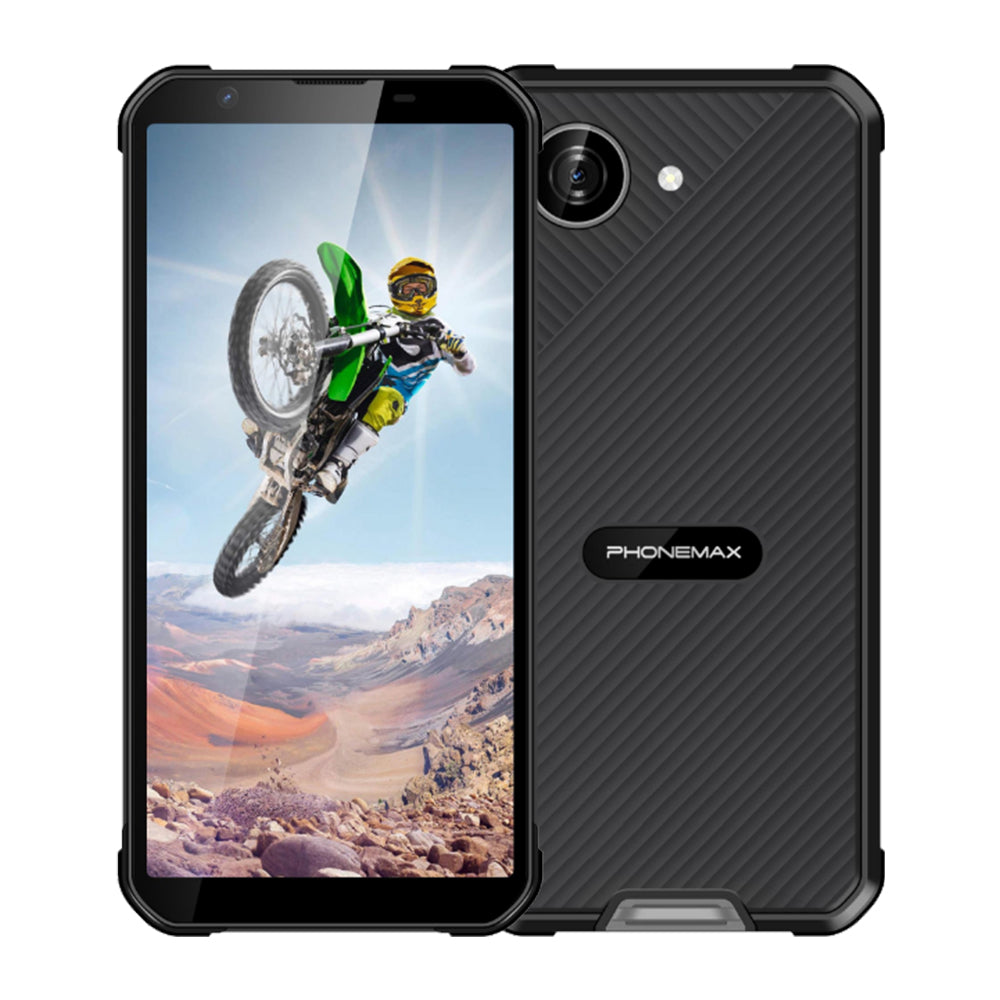
A supplier's “48MP rugged phone camera” claim describes a pixel count, not whether the images can document a serial number, damaged part or worksite condition. A useful sourcing decision combines the sensor specification with samples from the exact handset and camera software.
Identify the imaging hardware
Request the rear sensor model, native and output resolution, lens, autofocus method, aperture, stabilization where offered and camera software version. Ask whether 48MP is a native capture mode or an interpolated output, and save a full-resolution sample with its metadata. A marketing resolution cannot establish low-light performance.
Test the work task
Photograph small printed labels at the typical distance, a moving subject, a dark area and a high-contrast scene. Check focus time, motion blur, color consistency, readable detail and file size. Repeat with the protective case and any required flash setting. Share the unedited files with the people who will inspect them, rather than judging only from a phone screen.
Separate camera types
Ordinary visible-light imaging, infrared night vision and thermal imaging are different functions. Do not infer one from a megapixel number. If temperature measurement or thermal overlay is required, request a specifically documented thermal module and its accuracy and calibration evidence.
Compare the quoted model accurately
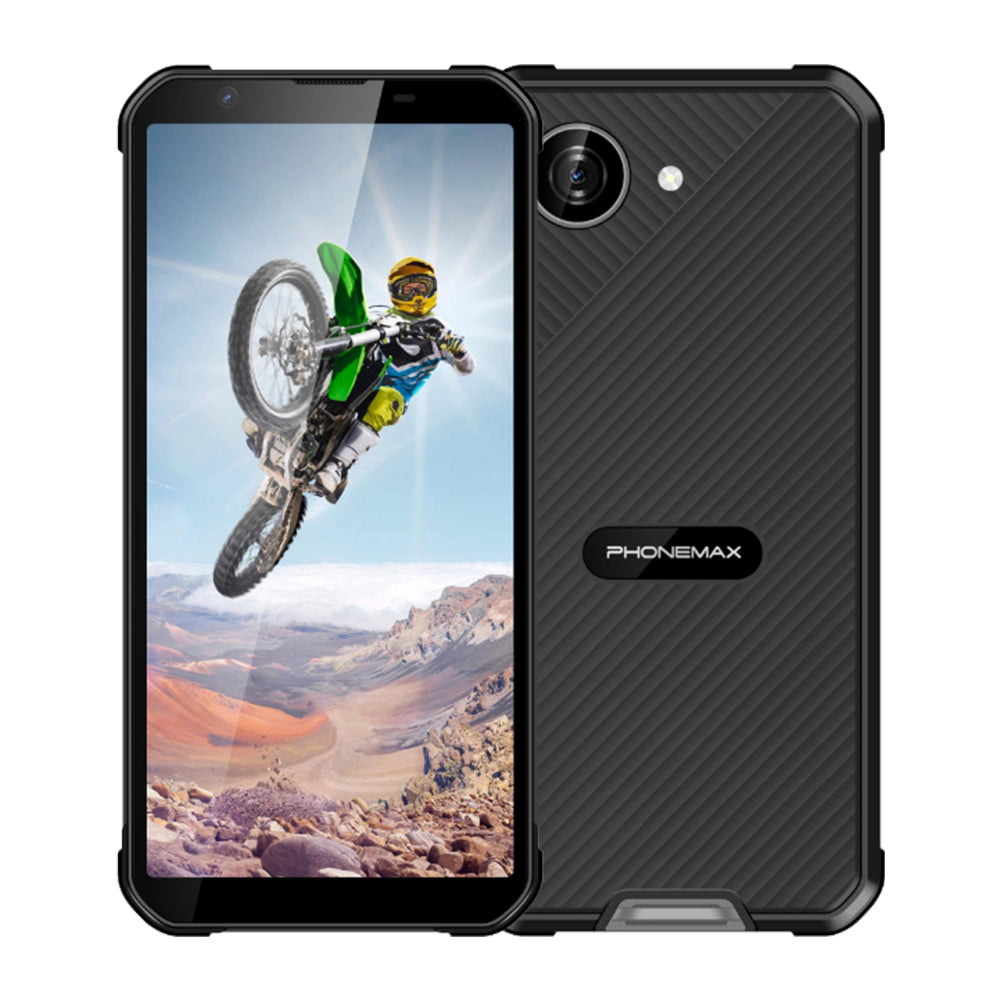
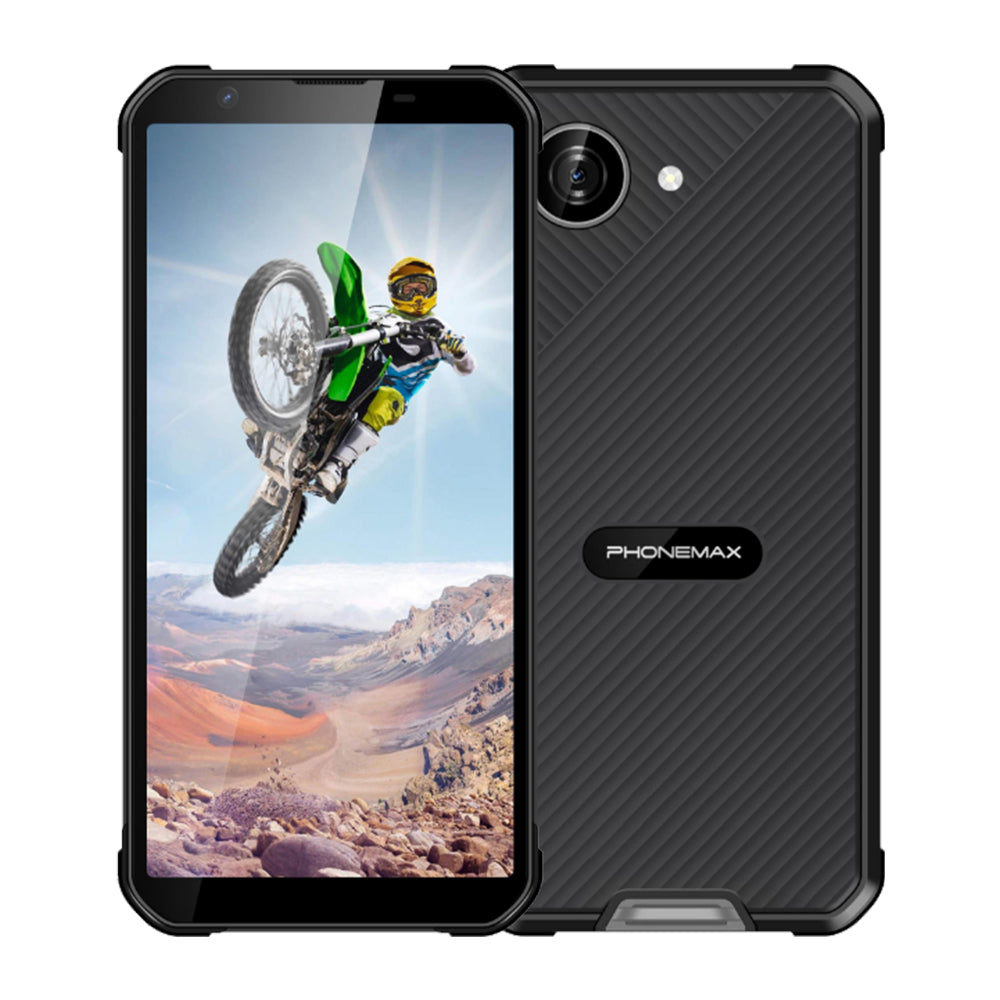
The Phonemax X5 is a current compact rugged phone reference, but its display, battery and ingress specifications do not prove a 48MP sensor. Obtain its exact variant's camera specification and sample files before assigning that claim. Put the approved hardware revision and sample results into the purchasing record.

Efterlad en kommentar
Alle kommentarer er modereres, før de bliver offentliggjort.
'Denne side er beskyttet af hCaptcha, og hCaptchas Politik om beskyttelse af persondata og Servicevilkår er gældende.