
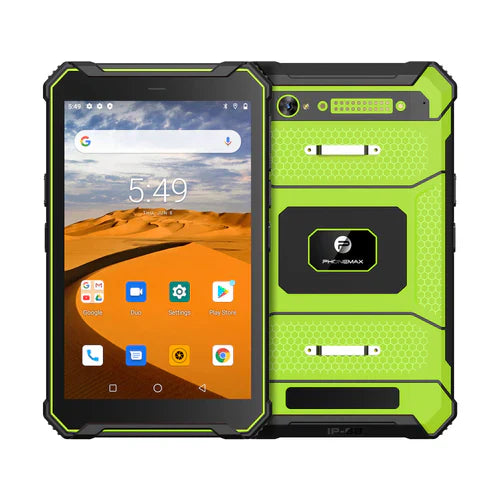
A mounted-tablet project needs approved installation instructions for the complete fastening interface. A tablet described as rugged or vibration-resistant does not specify which bracket, fasteners or attachment points are suitable for a particular vehicle.
Ask the installer for an interface record
| Record | What it should identify |
|---|---|
| Attachment points | Approved locations on the device holder and host structure |
| Hardware | Specified fasteners, retaining components and installation instructions |
| Loads and arrangement | Device, holder and accessories in the proposed orientation |
| Inspection | Who checks the installation and which findings require service |
Approve the assembly before use
Have the responsible installer reconcile the holder and host-equipment instructions. Resolve missing installation values with their manufacturers rather than borrowing a torque value from an unrelated mount. Record the final configuration and acceptance decision. A photo can document that arrangement, but it does not establish mechanical qualification.
The N1 listing positions the device for navigation and roadbook tasks and asks buyers to confirm mounts and power arrangements. It does not approve your mounting interface or supply vibration evidence for the installed kit.
The DLA MIL-STD-810 record describes environmental tailoring. A tablet-level statement should therefore be matched to the actual evidence; do not assume it covers every host installation.
No installation or retention test is reported here. Use the related visibility and service-access review alongside the fastening record. Contact Phonemax with the holder, host equipment and proposed arrangement.

Efterlad en kommentar
Alle kommentarer er modereres, før de bliver offentliggjort.
'Denne side er beskyttet af hCaptcha, og hCaptchas Politik om beskyttelse af persondata og Servicevilkår er gældende.