
For GTIN-based work, keep structural validation separate from finding the correct authorized item in your business system. A check-digit result should not be treated as proof of product authenticity, item approval or a successful stock transaction.
Define the validation sequence
| Gate | Question |
|---|---|
| Structure | Does the value meet the relevant identifier format and check-digit rule? |
| Master data | Does that identifier resolve to the expected item and packaging level? |
| Task permission | Is that item allowed in this order or work step? |
| Commit | Was the intended transaction actually saved? |
GS1's GTIN explanation describes the check digit as a structural check. Your business system must separately decide which record and operation are valid.
Prepare positive and negative cases
Have the software owner provide harmless test identifiers: a known item, a structurally invalid value, a structurally valid value absent from the test master data and an item not allowed in the sample task. Record a distinct response at each gate. Do not invent live GTINs or add unknown items automatically to production master data merely to make a scan pass.
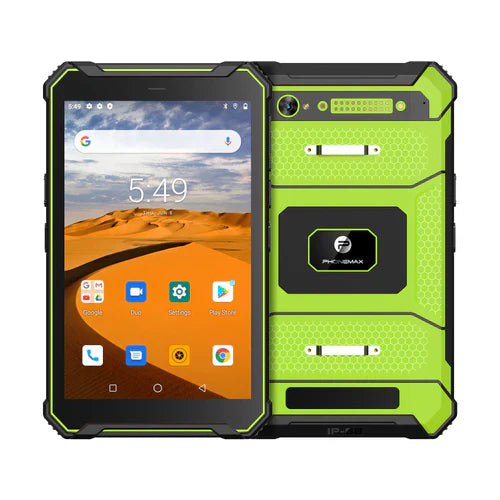
The current T1 is listed without a Honeywell barcode scanner. Its hardware description does not establish a GTIN validator or business-system integration. Confirm the scanner and app configuration separately.
No validation or authenticity test is reported here. See the GS1 parsing guide for multi-field input, and send Phonemax your application requirements.


Efterlad en kommentar
Alle kommentarer er modereres, før de bliver offentliggjort.
'Denne side er beskyttet af hCaptcha, og hCaptchas Politik om beskyttelse af persondata og Servicevilkår er gældende.