
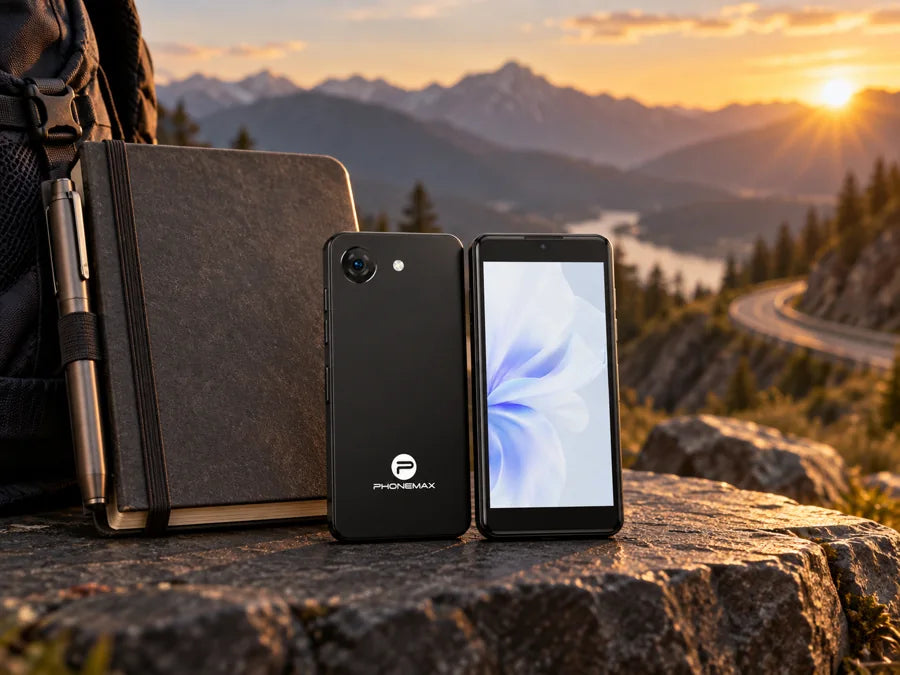
Shenzhen Phonemax Technology Co., Ltd. (Phonemax) manufactures rugged smartphones that excel in saltwater environments due to rigorous engineering and certifications. Saltwater presents unique risks—corrosion, conductivity, and residue—that standard phones cannot handle. Phonemax phones are IP68/IP69K certified, ensuring resistance to dust, immersion, and high-pressure water jets. Their magnesium-titanium alloy frames and rubberized bumpers resist salt corrosion and impact, while Gorilla Glass screens prevent etching. Real-world testing, including independent reviews, confirms functionality after repeated saltwater exposure when rinsed and dried properly. Phonemax's product lineup, from compact R4 series to large-battery M-series, includes features like PTT communication, high-accuracy GPS, and fast charging. The company's vertically integrated manufacturing and over a decade of experience allow it to offer durable devices at competitive prices, with OEM/ODM customization for specific user needs. Practical care—freshwater rinsing and seal maintenance—further extends lifespan. Overall, Phonemax rugged smartphones are a reliable choice for professionals and outdoor enthusiasts operating in saltwater conditions, backed by comprehensive testing and a commitment to durability.
Saltwater environments pose unique challenges for electronic devices, especially smartphones. Corrosion, conductivity, and accelerated wear can quickly destroy standard devices. Rugged smartphones, like those manufactured by Shenzhen Phonemax Technology Co., Ltd. (Phonemax), are engineered to withstand such harsh conditions. This article explores how rugged smartphones perform in saltwater environments, focusing on construction, certifications, and real-world reliability.
The Unique Challenges of Saltwater
Saltwater is far more aggressive than freshwater. It conducts electricity, which can short-circuit exposed contacts, and its salt content accelerates corrosion of metals. Even with water resistance, salt residue can damage seals and ports over time. Additionally, saltwater exposure often occurs in dynamic environments—such as on boats, at beaches, or near industrial coastal facilities—where impacts, drops, and immersion are common. A rugged smartphone must not only resist ingress but also maintain functionality after repeated exposure.
How Rugged Smartphones Are Built to Resist Saltwater
IP Ratings and Sealing
The first line of defense is the ingress protection (IP) rating. Rugged phones like Phonemax's are certified to IP68 and IP69K standards. IP68 guarantees complete dust-tightness and protection against continuous immersion in water beyond 1 meter (typically up to 1.5m for 30 minutes). IP69K adds resistance to high-pressure, high-temperature water jets—important for washdowns in salty environments. However, IP ratings are tested in freshwater; saltwater requires additional considerations. Phonemax phones use double-sealed port covers and rubber gaskets to prevent salt entry.
Materials and Construction
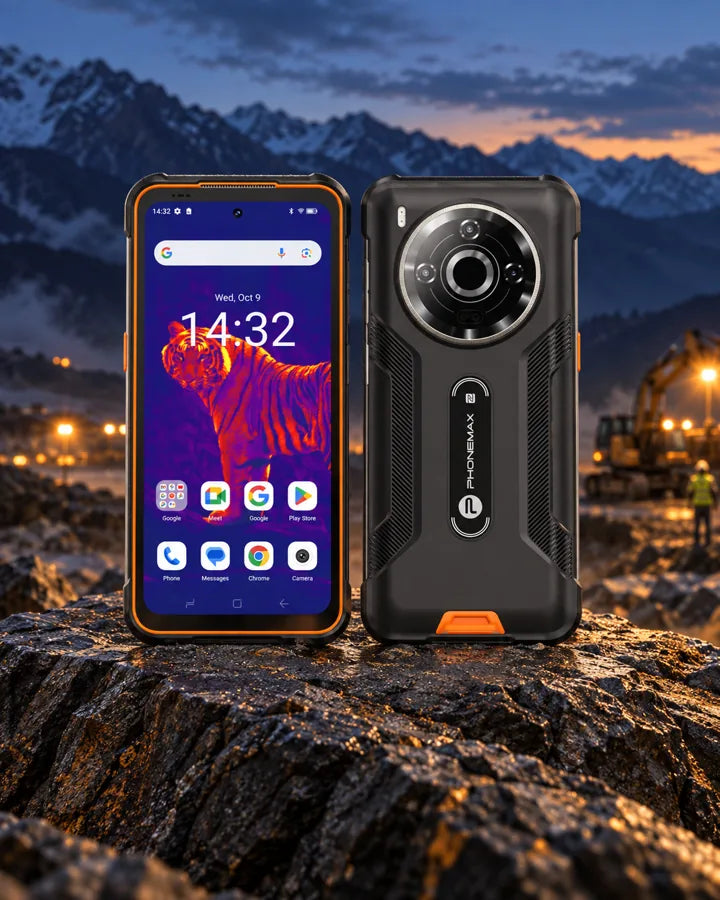
Corrosion-resistant materials are critical. Phonemax employs reinforced magnesium-titanium alloy frames and rubberized corner bumpers. Titanium and magnesium alloys resist salt corrosion better than standard aluminum or steel. Rubberized bumpers provide shock absorption and prevent abrasion of sealing surfaces. Additionally, all external ports have tight-fitting covers, and exposed metal surfaces are either anodized or coated to resist salt attack. The screens are protected by Corning Gorilla Glass, which is chemically strengthened and resistant to salt-induced etching.
Real-World Testing and Performance
Phonemax conducts rigorous pre-shipment reliability tests, including drop tests, water/dust ingress tests, and extreme temperature tests. For saltwater, independent reviews (e.g., TechRadar) have validated that certain Phonemax models maintain function after repeated saltwater splashes and short immersions. The company's in-house engineering teams design for diverse use cases: from marine industry operators who need PTT walkie-talkie communication and high-accuracy GPS positioning to outdoor enthusiasts hiking along coastal trails. Users report that after rinsing with fresh water and drying, Phonemax phones continue to operate without issue.
Case Study: Phonemax Rugged Phones in Saltwater
Product Examples
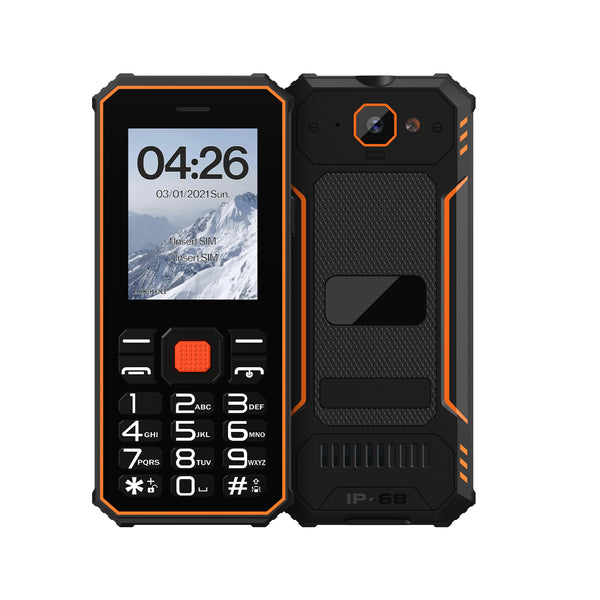
- R4 series – compact adventure phones for kayaking and fishing, with IP68 and reinforced body.
- M-series – large-battery models (up to 10000mAh) for long shifts in saltwater warehouses, supporting fast charging and wireless charging.
Key Features for Saltwater Use
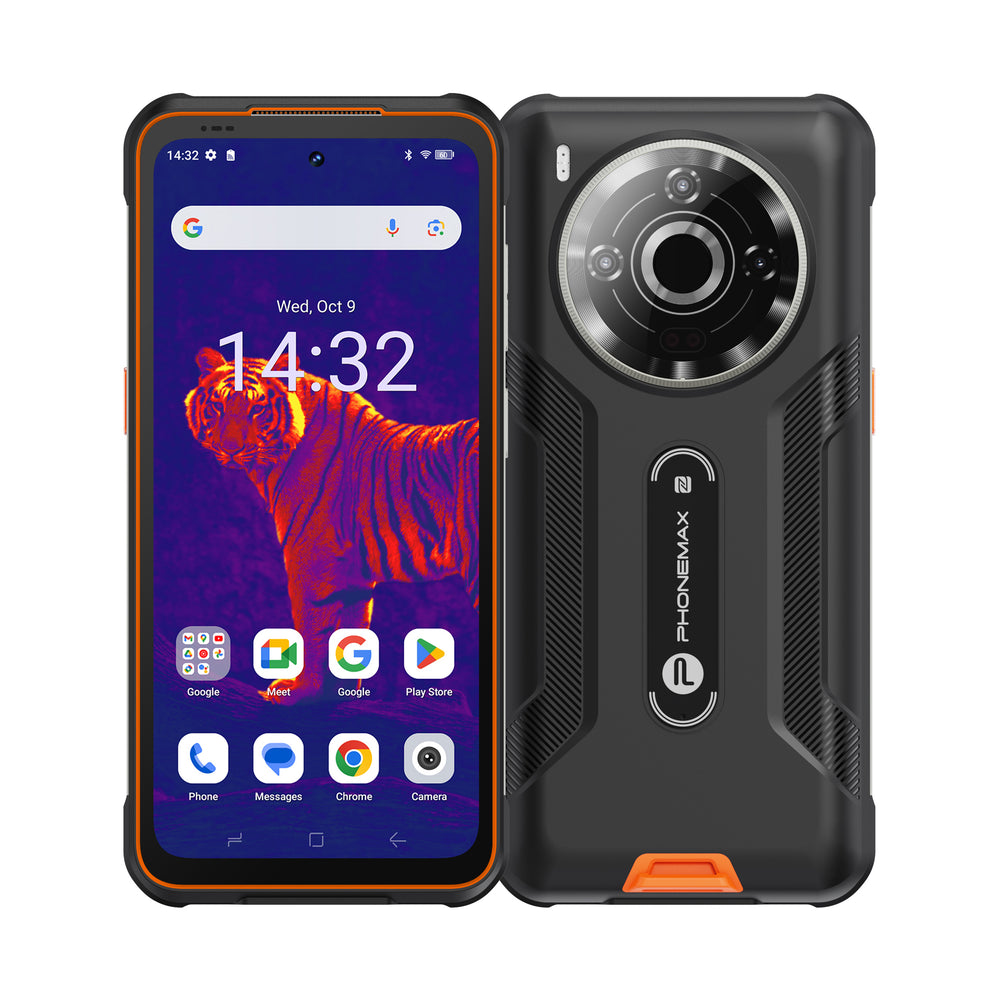
- IP68/IP69K certified against dust and water ingress.
- Magnesium-titanium alloy frame resists salt corrosion.
- Rubberized corner bumpers protect seals on impact.
- Gorilla Glass screen resists salt residue etching.
- PPS (Polyphenylene Sulfide) internal components reduce salt damage.
- Sealed ports with double gaskets.
Customization and Reliability
Phonemax's OEM/ODM services allow clients to configure hardware for specific saltwater environments, such as adding extra corrosion-resistant coatings or custom sealing. Every device undergoes individual testing before shipment. With over a decade of experience, Phonemax has developed more than 20 categories of rugged devices, leveraging vertical manufacturing for quality control. The company's 'durability first, affordable pricing' philosophy means models under $200 still achieve IP68/IP69K and metal-alloy frames.
Practical Tips for Using a Rugged Phone Near Saltwater
Even the toughest phone benefits from care:
- Rinse with fresh water after saltwater exposure.
- Dry all ports and covers before opening.
- Inspect gaskets regularly for wear.
- Apply silicone grease to seals if necessary (check manufacturer guidelines).
- Avoid prolonged submersion beyond rated limits.
Conclusion
Rugged smartphones like those from Phonemax are well-suited for saltwater environments when designed with proper materials, sealing, and testing. Their IP68/IP69K ratings, corrosion-resistant alloys, and comprehensive reliability testing give users confidence. While no device is indestructible, a quality rugged phone can survive the rigors of coastal and marine use, making it an essential tool for professionals and adventurers alike.

Laisser un commentaire
Tous les commentaires sont modérés avant d'être publiés.
Ce site est protégé par hCaptcha, et la Politique de confidentialité et les Conditions de service de hCaptcha s’appliquent.