
A tablet that is already running in a cold environment has not necessarily demonstrated that it can start there after being switched off. If a cold-chain task requires both behaviors, specify and review them separately before choosing equipment.
Describe the start state
| Work situation | Evidence the buyer needs |
|---|---|
| Device enters the area already running | Permitted operating conditions and task duration |
| Device is switched on after storage | Documented starting conditions and startup result |
| Device restarts during a job | App recovery and preservation of the current record |
| Device needs charging | Separate manufacturer-approved charging limits and procedure |
The public scope of IEC 60068-2-1:2025 distinguishes powered and unpowered specimens in cold testing. Naming the method does not establish that a particular tablet has passed it. Ask which start state the supplier’s evidence actually covers.
Write a task-based acceptance sequence
For an approved sample evaluation, ask the reviewer to include startup, sign-in, opening the required job, recording a result and checking that the record is retained. Where a restart is part of the requirement, include it explicitly. Record the device version, power source, conditions, duration and observed failures. Agree the evaluation conditions with the manufacturer; do not improvise a freezer trial.
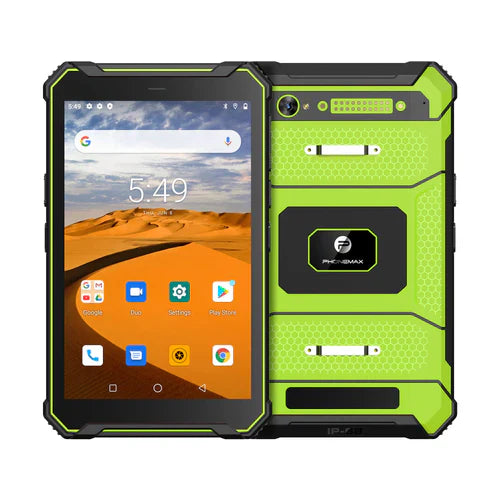
The current T1 product information does not establish operation, cold starting or charging at −30°C. Its listed 12,000mAh capacity and IP68/IP69K protection do not supply those missing results. No cold-start test is reported here.
Begin with the general low-temperature evidence checklist. Tell Phonemax whether your task requires cold starting, continuous operation or both so the requirement can be reviewed for the selected configuration.


コメントを書く
全てのコメントは、掲載前にモデレートされます
このサイトはhCaptchaによって保護されており、hCaptchaプライバシーポリシーおよび利用規約が適用されます。