
For a tablet moving between cold storage and a warmer work area, obtain a documented handover procedure before deployment. A steady-temperature operating statement alone does not define when the device can be used, connected or charged after a transition.
Map the actual route through the facility
| Handover point | Question to resolve |
|---|---|
| Leaving the cold area | Who receives the device and records its condition? |
| Entering the next work area | What manufacturer instructions apply to the transition? |
| Connecting power or accessories | What checks must be completed first? |
| Returning to service | Who confirms readiness and what happens if it is not ready? |
The IEC 60068-2-1:2025 public scope expressly separates its cold tests from tests of temperature-change effects. Do not treat a cold-test reference as proof that an unspecified repeated-transition routine has been evaluated.
Avoid invented waiting times
Ask the manufacturer for instructions relevant to the selected device, environmental change and connected accessories. Do not copy a fixed waiting period from another brand or infer readiness from the screen turning on. If the instructions or evidence are missing, keep the procedure unresolved and agree a qualified evaluation plan.
A useful facility record names the handover location, responsible role, applicable device instructions, required checks and escalation contact. During an approved trial, record the actual conditions and interruptions so the final routine reflects the intended facility rather than a generic indoor/outdoor example.
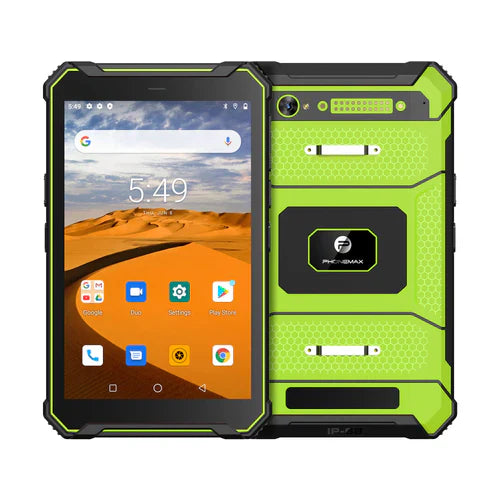
The current Phonemax T1 description does not provide a verified −30°C transition or recovery procedure. This guide supplies a planning framework, not a temperature-change test result or permission to charge outside documented limits.
Review the low-temperature requirement checklist and send Phonemax your temperature zones and transition frequency before approval.


コメントを書く
全てのコメントは、掲載前にモデレートされます
このサイトはhCaptchaによって保護されており、hCaptchaプライバシーポリシーおよび利用規約が適用されます。