
A request for a phone that operates at -20°C must be stated more precisely than “rugged” or “cold resistant.” A device may survive storage at a temperature yet fail to call, run an app or charge there. Write down what the phone must do, for how long and during which transitions between cold and warm areas.
Separate operation, storage and charging
Ask for the exact model's published operating and storage temperature ranges and for its allowed charging range. Identify the test duration, battery state and device functions used during the test. A negative temperature printed without these conditions is insufficient to approve a deployment. Do not assume that charging at -20°C is allowed because a phone can be carried there.
Test the actual workflow
- Record the SKU, software version and the site's lowest normal temperature.
- Run calls, mobile data, location and the required application through a representative cold shift.
- Record battery percentage, screen response, audio and glove or touch behavior.
- Observe the move back to a warmer area and follow the supplier's instructions if condensation appears.
Ask the supplier for written acceptance limits and repeat the trial when workers use different headsets, mounts or protective cases. A brief power-on in a freezer is not the same as a documented shift test.
Current product reference
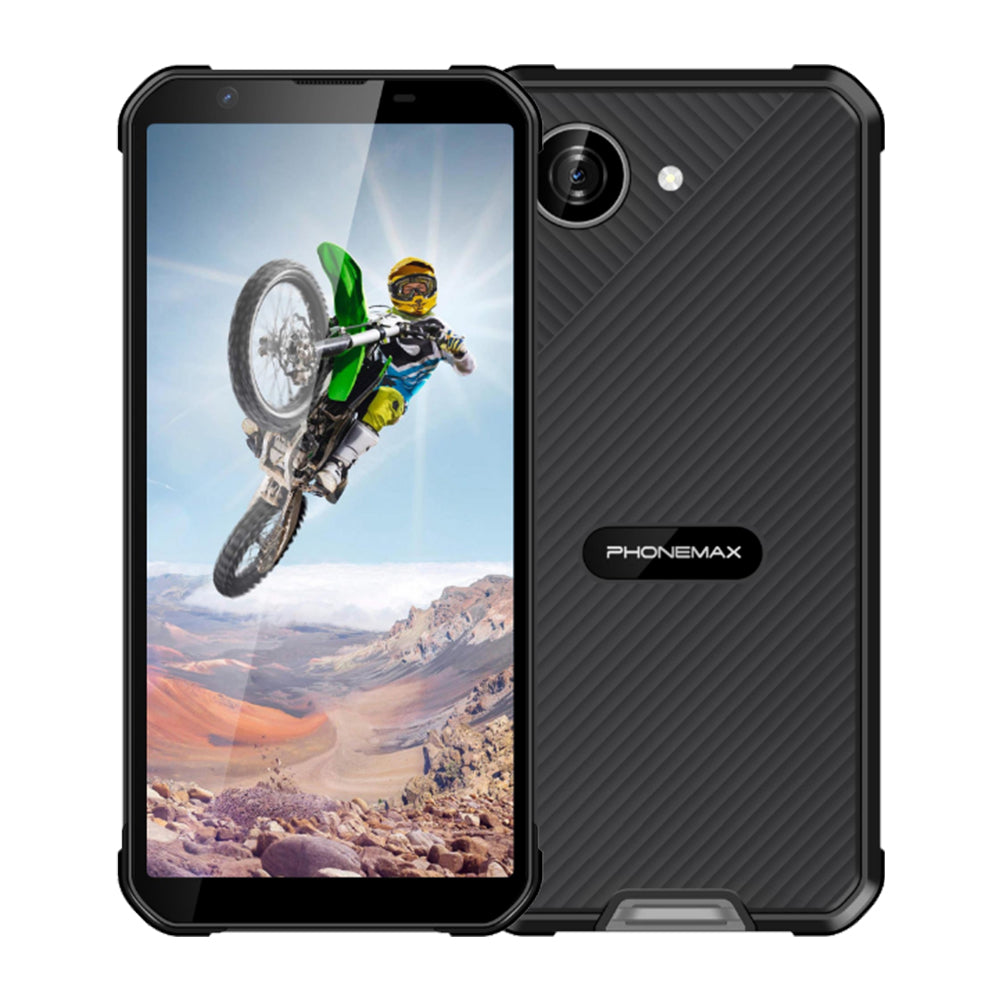
The Phonemax X5 page lists 4G connectivity, a 5.3-inch display, 5,000mAh battery and IP68. Those facts do not establish -20°C operating performance. If -20°C is mandatory, obtain a model-specific temperature document and validate the production configuration before ordering.

Deixar comentário
Os comentários precisam ser aprovados antes da publicação.
Este site é protegido por hCaptcha e a Política de privacidade e os Termos de serviço do hCaptcha se aplicam.