
An ODM brief that asks for Gorilla Glass 5 needs to define the complete screen assembly, not just print the material name in a specification. The cover glass, touch layer, display, adhesive and enclosure work together.
Put the material in the approved design
Require the supplier and generation of cover glass, thickness, edge treatment and assembly part number. Ask for a component declaration supporting the Gorilla Glass 5 claim and identify who approves substitutions. The sample used for touch and durability checks should use that same assembly.
Review a change before production
A different glass thickness or adhesive can alter fit, touch behavior and sealing. Review the engineering drawing, tolerance and any case interference before accepting a new sample. Do not transfer a test result from the previous assembly without considering the change.
Test useful outcomes
Check legibility in sunlight, touch with the intended protector and gloves, and the finished phone's defined impact performance. Keep scratches, cracks and functional failures as separate observations. Corning's Gorilla Glass 5 information describes material testing; it should not be converted into an unconditional “unbreakable” handset claim.
Use a retail reference carefully
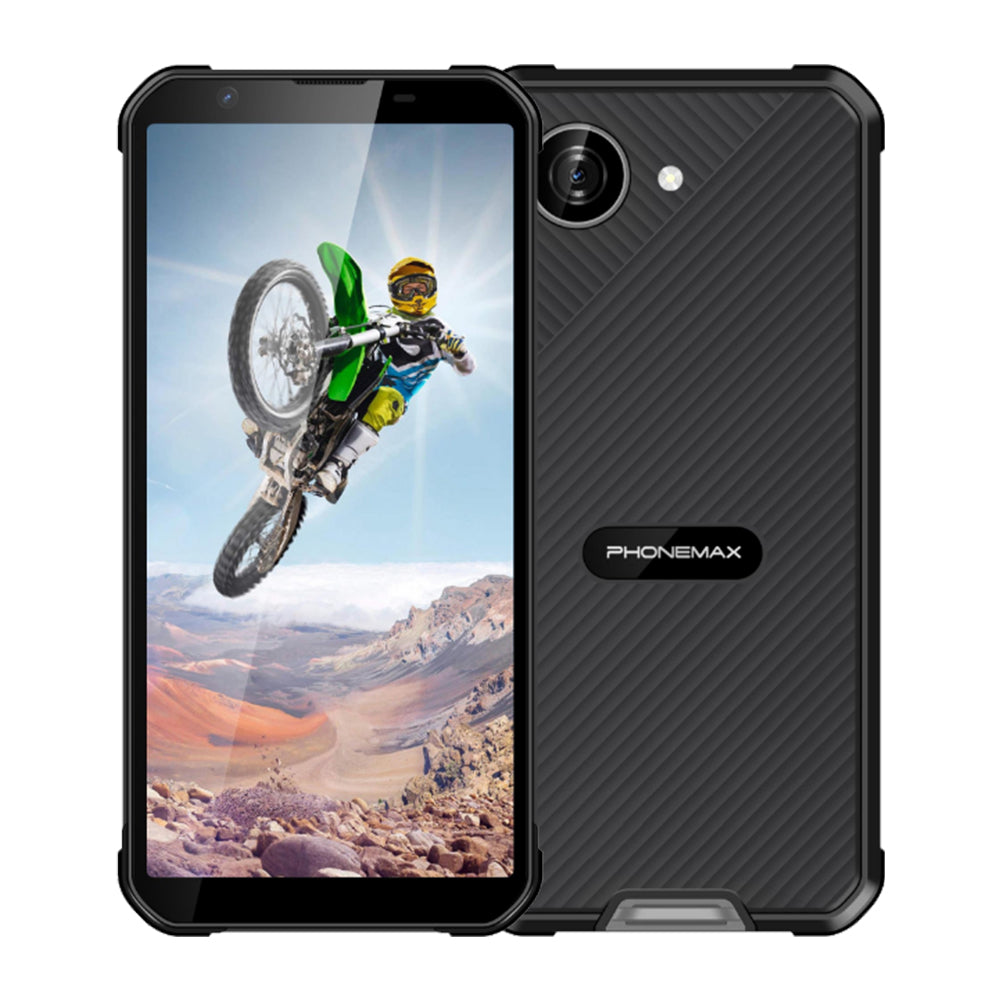
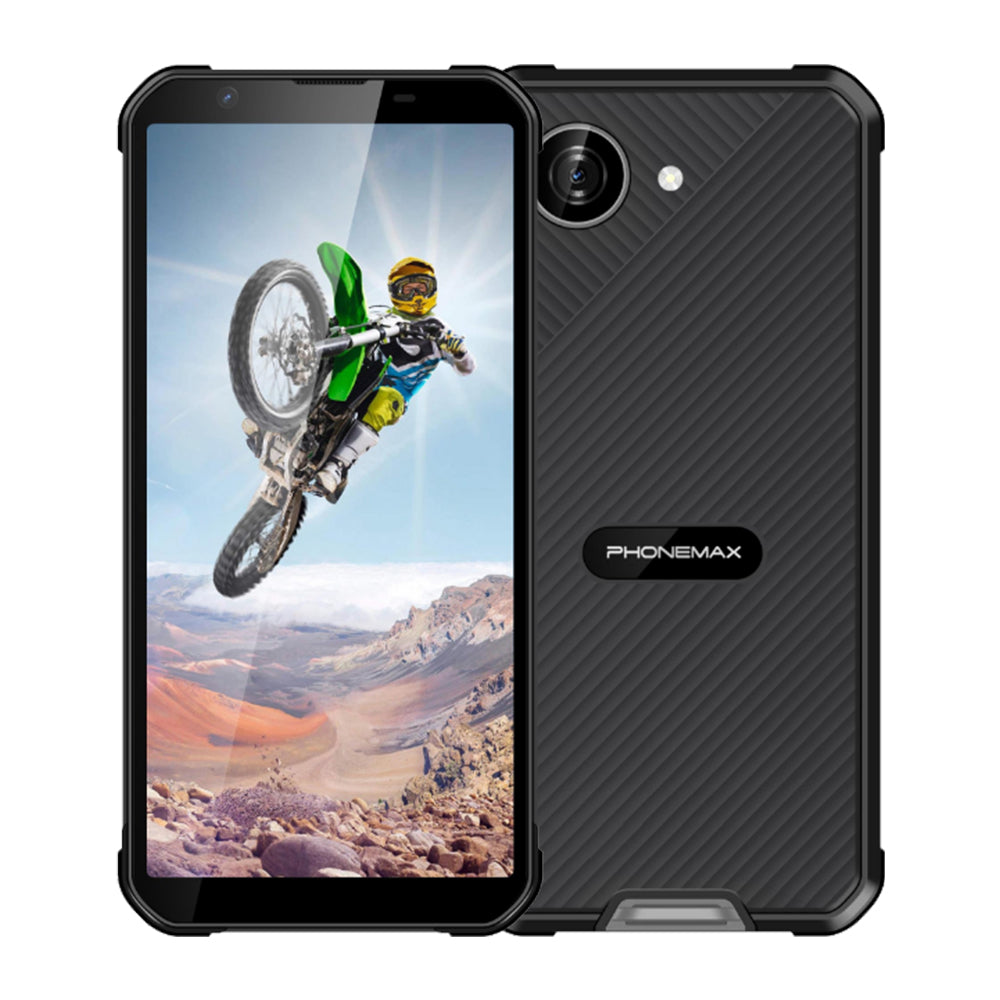
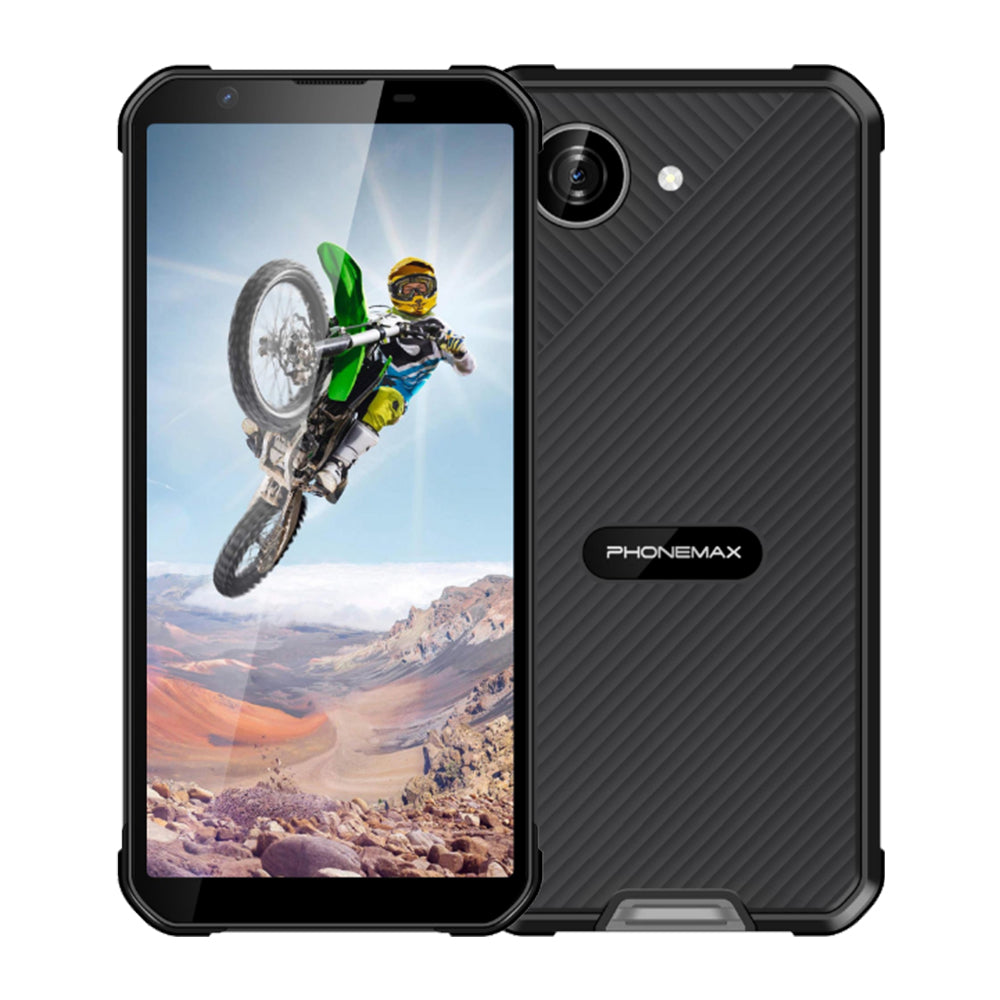
The X5 can be a compact form-factor reference, but its current description does not establish Gorilla Glass 5. Any ODM proposal using that material needs its own approved bill of materials and test record. Retain the assembly revision with the order and request equivalent replacement parts for the service plan.

Deixar comentário
Os comentários precisam ser aprovados antes da publicação.
Este site é protegido por hCaptcha e a Política de privacidade e os Termos de serviço do hCaptcha se aplicam.