
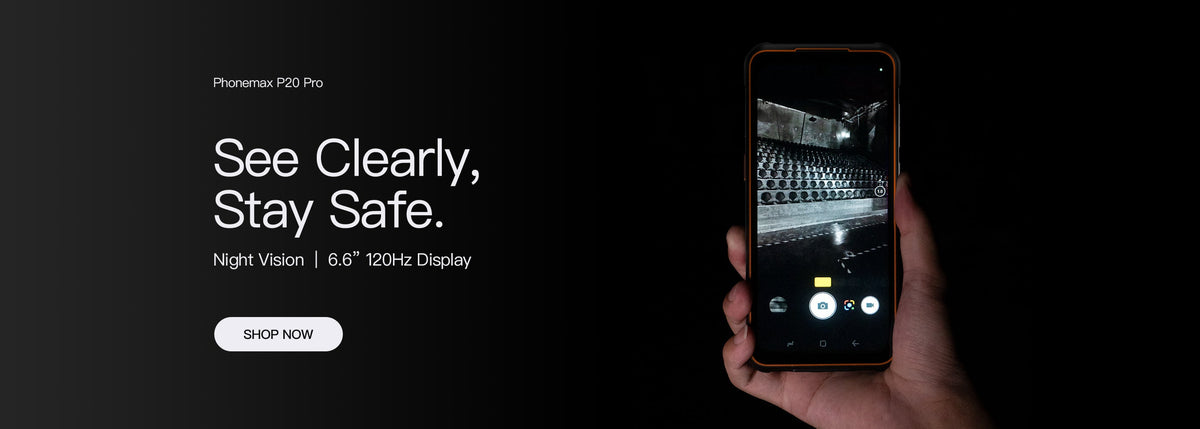
A 1000-nit display requirement needs a specification identifying the relevant screen, measurement mode and operating conditions. This article does not verify a current Phonemax main display at 1000 nits.
Request the measurement context
Ask whether the figure is typical, peak or available only in a particular mode. Confirm the measured screen area, test method and any operating restrictions. Keep a secondary display's specification separate from the main screen.
- Identify the exact display and offered hardware variant.
- Ask what conditions enable the advertised brightness.
- Evaluate the actual app at the permitted work location and viewing angle.
- Check text, maps and warning visibility with the intended protector fitted.
A current example of screen identity
The R4-T listing specifies a 4.3-inch main display and a separate 0.96-inch rear display. Its listed 200 cd/m² maximum refers to the rear display; it is not evidence for a 1000-nit main-screen claim.
Approve the viewing task
Retain the documented setting and observed readability result. Brightness alone should not replace checking the form or map the worker needs. No luminance measurement, outdoor-readability trial or emergency-use qualification is reported here; obtain the required evidence before accepting a numeric brightness specification.


Deixar comentário
Os comentários precisam ser aprovados antes da publicação.
Este site é protegido por hCaptcha e a Política de privacidade e os Termos de serviço do hCaptcha se aplicam.