
A cleanroom claim needs its own evidence; it does not establish a phone's water resistance. When reviewing a rugged phone factory, connect the claimed assembly conditions with a specific facility, process and product configuration. Then examine the separate evidence for the finished device.
What does a cleanroom classification describe?
ISO 14644-1 addresses air-cleanliness classification by airborne particle concentration. A reference to that standard should identify the area assessed and the classification evidence. It should not be used as a shortcut for judging every stage of manufacturing or every product shipped by a company.
A claim such as “Class 7 assembly” should lead to questions: Which room or zone? Which operations take place there? What is the report date and operating condition? Does the evidence apply to the facility producing the quoted order? Do not infer a factory's classification from its product photographs or an ingress-protection label.
Request a process-specific evidence pack
- Facility identity: the site address, assessed room or zone and responsible operator.
- Classification record: the relevant standard, class, date, sampling scope and conditions of the assessment.
- Process map: where components are stored, cleaned, assembled, sealed, inspected and packed.
- Control records: how the supplier monitors the conditions required by its own process and responds to an excursion.
- Order traceability: how the quoted model and production batch connect to the documented process.
Request relevant records rather than assuming that a stated class applies to an entire site. If a different facility or subcontractor performs part of the work, identify that boundary in the approval record.
Inspect the sealing process as well as the room
For the model under review, ask how gaskets, protective covers, adhesives and enclosure revisions are identified and controlled. Review the approved assembly instructions and the checks used for the relevant operation. If torque, curing or cleaning conditions matter to the design, request the applicable limits and records.
Also ask how a failed unit is handled: who approves rework, which parts are replaced, what is checked again and how the result is recorded. A useful audit follows the actual order from incoming parts through final inspection, rather than collecting unrelated badges.
Keep air cleanliness and finished-product protection separate
The IEC 60529 IP Code concerns enclosure protection. A cleanroom classification is not an IP test result, and an IP rating is not a cleanroom classification. Request the exact model's ingress-test conditions and supporting report separately.
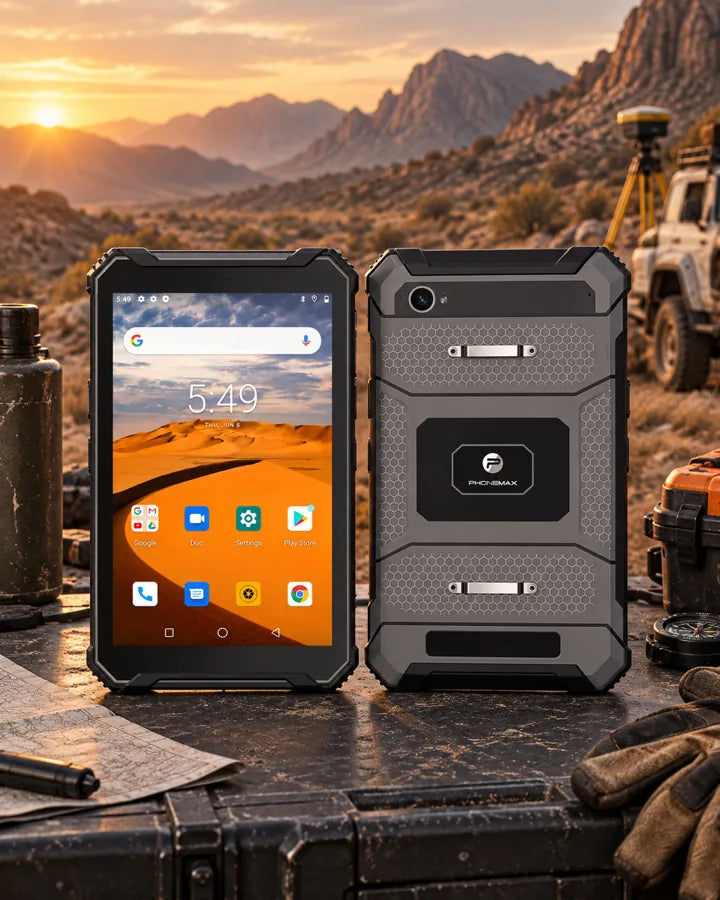
For example, the current Phonemax X5 listing describes IP68-rated protection under stated conditions. That product description does not by itself document an assembly-room class. Confirm both the product configuration and any manufacturing condition that is mandatory for your project.
Turn the audit into an approval record
Record the approved sample, hardware revision, required documents, accepted deviations and checks for delivered batches. Agree how changes to sealing parts, production location or the approved process will be communicated. Keep the evidence available to the procurement and service teams so later decisions refer to the same configuration.
For a Phonemax sourcing project, contact Phonemax with the intended model, quantity, destination and required manufacturing documents. Discuss OEM/ODM services when the project needs a configuration beyond the current listing. Confirm document availability and scope before making it an order requirement.
Reviewed October 28, 2026.



Deixar comentário
Os comentários precisam ser aprovados antes da publicação.
Este site é protegido por hCaptcha e a Política de privacidade e os Termos de serviço do hCaptcha se aplicam.