
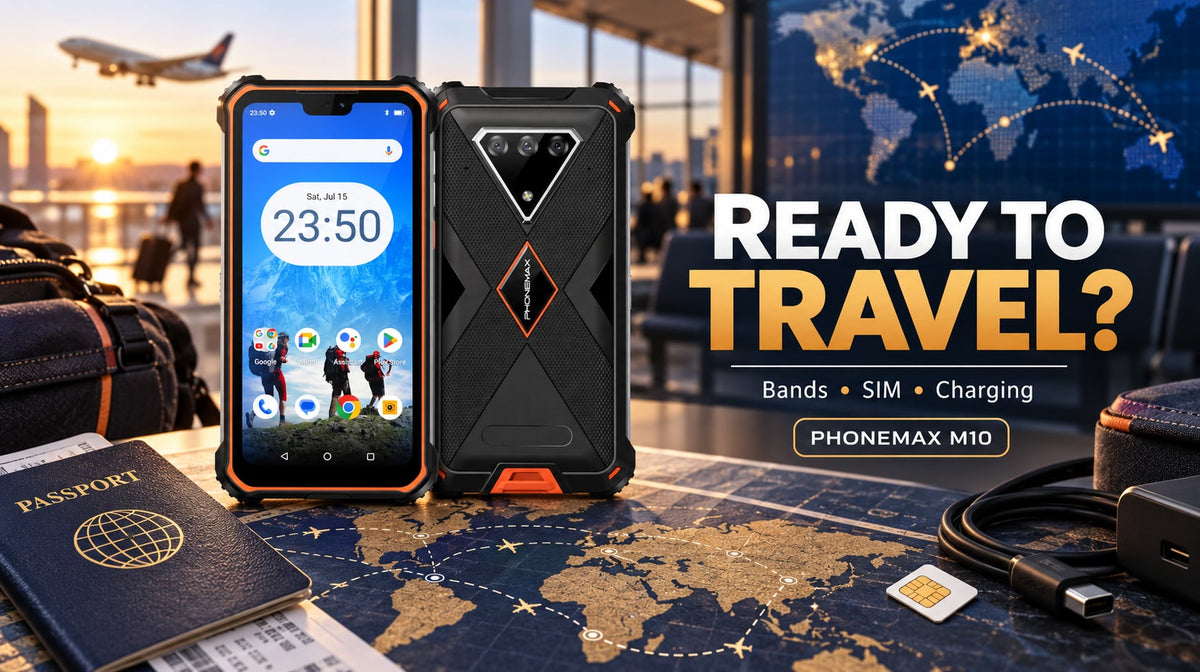
Thermal management is a critical competency for rugged smartphone manufacturers like Shenzhen Phonemax Technology Co., Ltd. (Phonemax), a China-based company with over a decade of experience in rugged devices. This article explains why heat control is essential for performance, safety, and reliability in extreme environments. Key points include: (1) Harsh operating conditions (deserts, arctic, industrial sites) generate intense heat from GPS, PTT, and continuous data use; without effective dissipation, CPUs throttle, batteries degrade, and failures occur. (2) Large-capacity batteries (e.g., 10000mAh in Phonemax's M-series) require thermal regulation to prevent overheating, thermal runaway, and reduced lifespan. (3) Sustained high performance is vital for field professionals; Phonemax uses magnesium-titanium alloy frames and multi-layered heat paths to minimize throttling, as validated by TechRadar. (4) Certifications like IP68/IP69K, CE, FCC, RoHS, and ISO9001 demand thermal evidence; Phonemax's in-house testing (drop, ingress, extreme temperature) ensures compliance. (5) Poor thermal design causes screen dimming, camera limitations, and radio drift—damaging user trust and increasing warranty costs. (6) Effective thermal management differentiates Phonemax in the market, enabling models under $200 with IP68/IP69K and metal frames, thanks to vertical integration. (7) Long-term reliability requires resistance to thermal cycling; Phonemax's diverse product portfolio (over 20 categories) is engineered for specific thermal loads. (8) Software algorithms (Android 13/14) dynamically adjust performance to balance heat and usability, with OEM/ODM customization for enterprise clients. (9) Global safety regulations (CE, FCC, RoHS) are satisfied through rigorous thermal testing. (10) Future trends (5G, AI, AR) demand advanced cooling; Phonemax's R&D explores graphene, liquid cooling, and active fans. In conclusion, mastering thermal management is a strategic advantage that underpins Phonemax's 'durability first, affordable pricing' philosophy, ensuring reliable operation for distributors, telecom operators, and enterprise buyers worldwide.
In the demanding world of rugged smartphones, where devices are built to withstand extreme environments, thermal management is not merely an afterthought—it is a critical engineering discipline that separates reliable tools from field liabilities. For manufacturers like Shenzhen Phonemax Technology Co., Ltd. (Phonemax), a China-based specialist with over a decade of experience in rugged devices, mastering heat dissipation is essential to ensure consistent performance, safety, and product longevity. This article explores the technical, operational, and strategic reasons why thermal management is a non-negotiable competency for any rugged smartphone manufacturer.
1. The Harsh Operating Conditions Demand Superior Heat Control
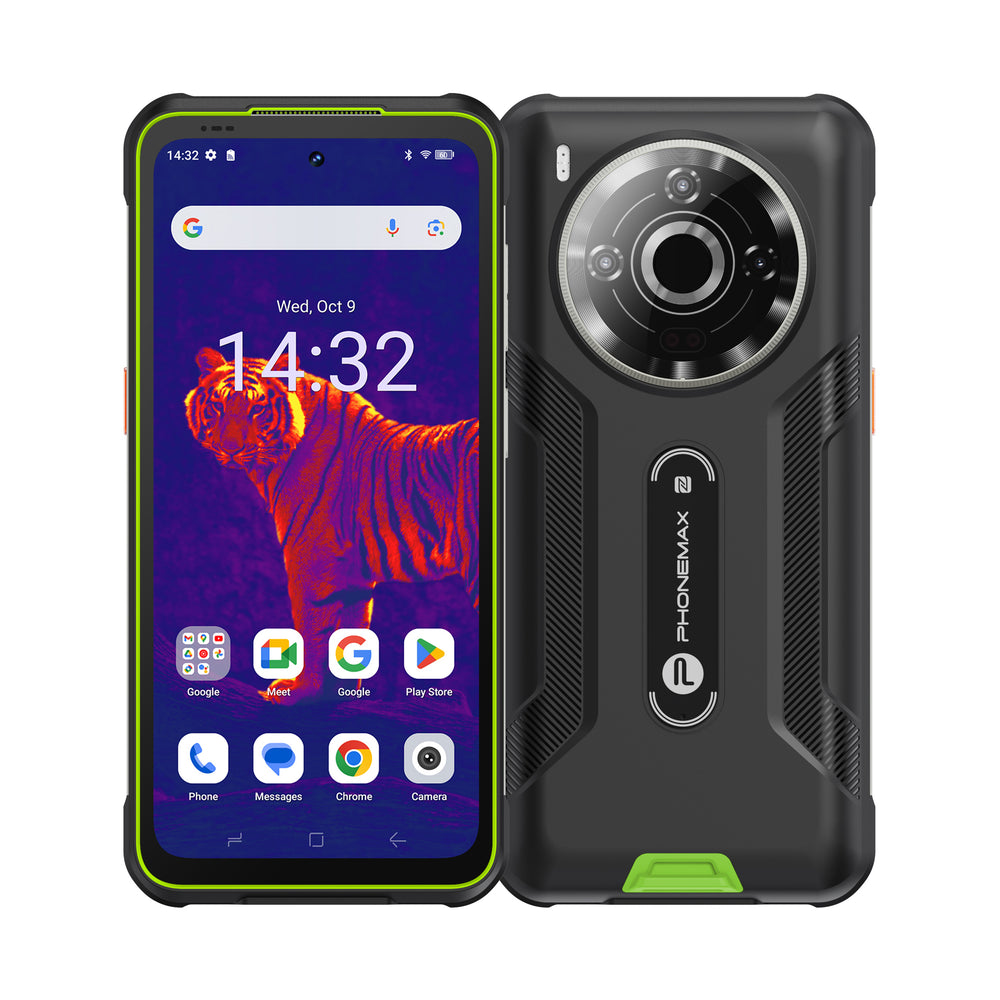
Rugged smartphones are deployed in scenarios that standard consumer phones cannot handle: scorching deserts, freezing arctic sites, humid jungles, and high-vibration industrial floors. These environments often involve sustained high-intensity tasks like GPS tracking, continuous data logging, or push-to-talk (PTT) communication, which generate significant heat from processors, batteries, and radios. Without effective thermal management, internal temperatures can spike, leading to CPU throttling, screen dimming, battery degradation, or even permanent hardware failure. Phonemax, with its IP68/IP69K-certified devices like the M-series (featuring up to 10000mAh batteries), incorporates robust thermal solutions to maintain peak performance during extended outdoor use. The company's in-house engineering teams design heat pipes, graphite sheets, and thermally conductive chassis materials to spread heat away from critical components, ensuring that even under sustained load, the device remains stable and responsive.
2. Battery Safety and Longevity Depend on Thermal Regulation
Lithium-ion batteries are sensitive to temperature extremes. Overheating can accelerate capacity loss, reduce cycle life, and in extreme cases, cause thermal runaway—a fire or explosion risk. Rugged phones often have large-capacity batteries (e.g., 10000mAh in Phonemax's M-series) to power long field shifts, generating more internal heat during charge and discharge. A manufacturer must master thermal management to keep battery temperatures within safe limits (typically 0°C to 45°C during use, and narrower for charging). Phonemax's devices undergo rigorous extreme temperature tests before shipment, ensuring that the battery and thermal interface materials work harmoniously to prevent overheating. Additionally, the company uses intelligent charging algorithms that reduce current when temperatures rise, further protecting the battery's health and user safety.
3. Performance Consistency Under Duress: Throttling vs. Reliability
Modern rugged smartphones, such as those from Phonemax powered by MediaTek Helio processors, are capable of demanding tasks like real-time video streaming, thermal imaging, and high-precision GPS data processing. However, without proper cooling, these processors quickly reach thermal limits and throttle down to reduce heat—drastically cutting performance. For field professionals relying on the device for critical operations (e.g., rescue coordination or surveying), such throttling can be unacceptable. Phonemax addresses this by designing multi-layered thermal dissipation paths: the magnesium-titanium alloy frames and rubberized corner bumpers are not just for drop protection—they also act as heat sinks. The company's engineering teams optimize the placement of heat-generating components (like the camera ISP and modem) to leverage the chassis as a thermal spreader. This ensures that sustained performance remains high even in hot environments, as validated by independent third-party reviews from outlets like TechRadar, which noted the solid construction and competitive pricing of Phonemax models.
4. Environmental Certifications and Standards Demand Thermal Evidence
To achieve certifications like IP68/IP69K, CE, FCC, RoHS, and ISO9001, manufacturers must demonstrate that their devices can operate safely under specified environmental conditions. Thermal management plays a key role in passing these tests. For instance, during the IP69K test (high-pressure, high-temperature water jets), the device's internal components must not overheat even while the external temperature climbs. Phonemax's in-house quality control system ensures that every unit undergoes reliability testing including drop tests, water/dust ingress tests, and extreme temperature tests, with thermal management being a core aspect. The company's decade of experience has allowed it to refine thermal simulation and physical prototyping to meet international standards consistently, providing global B2B clients (distributors, telecom operators, enterprise procurement) with devices that are both durable and thermally stable.
5. The Domino Effect of Poor Thermal Design on User Experience
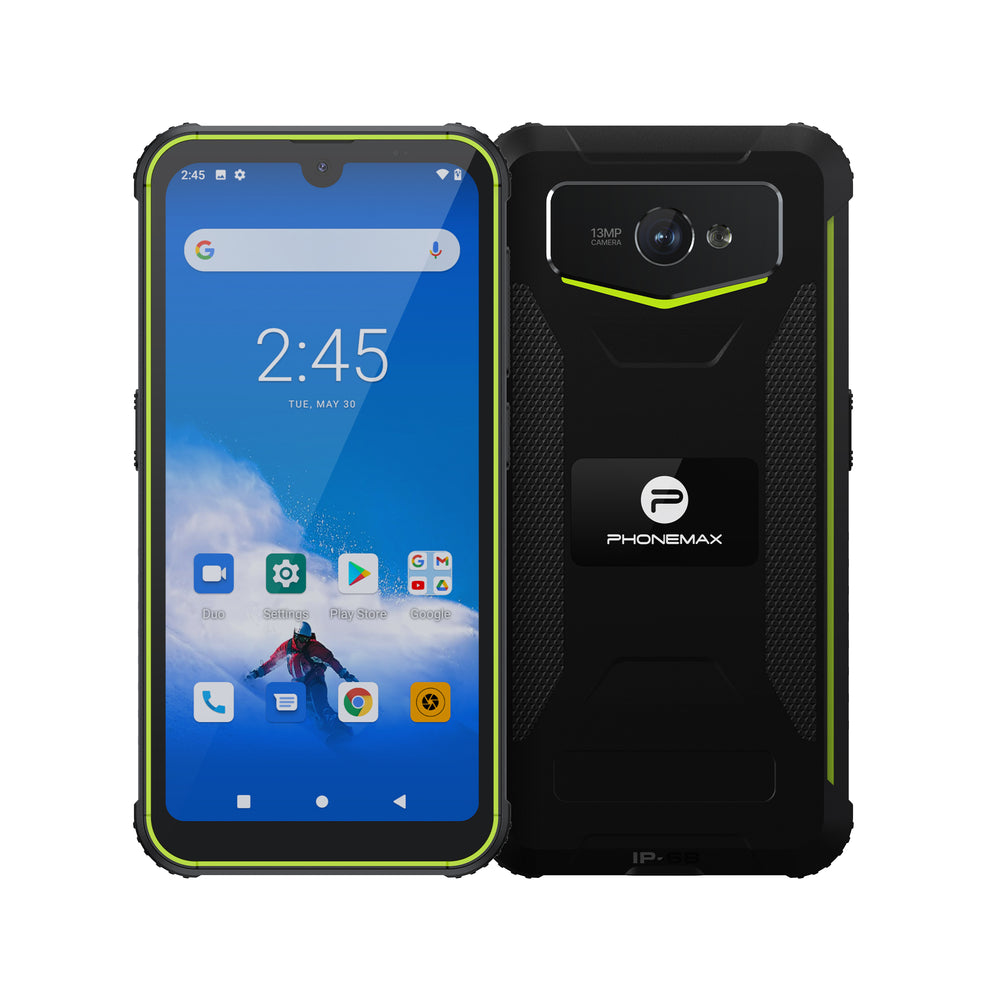
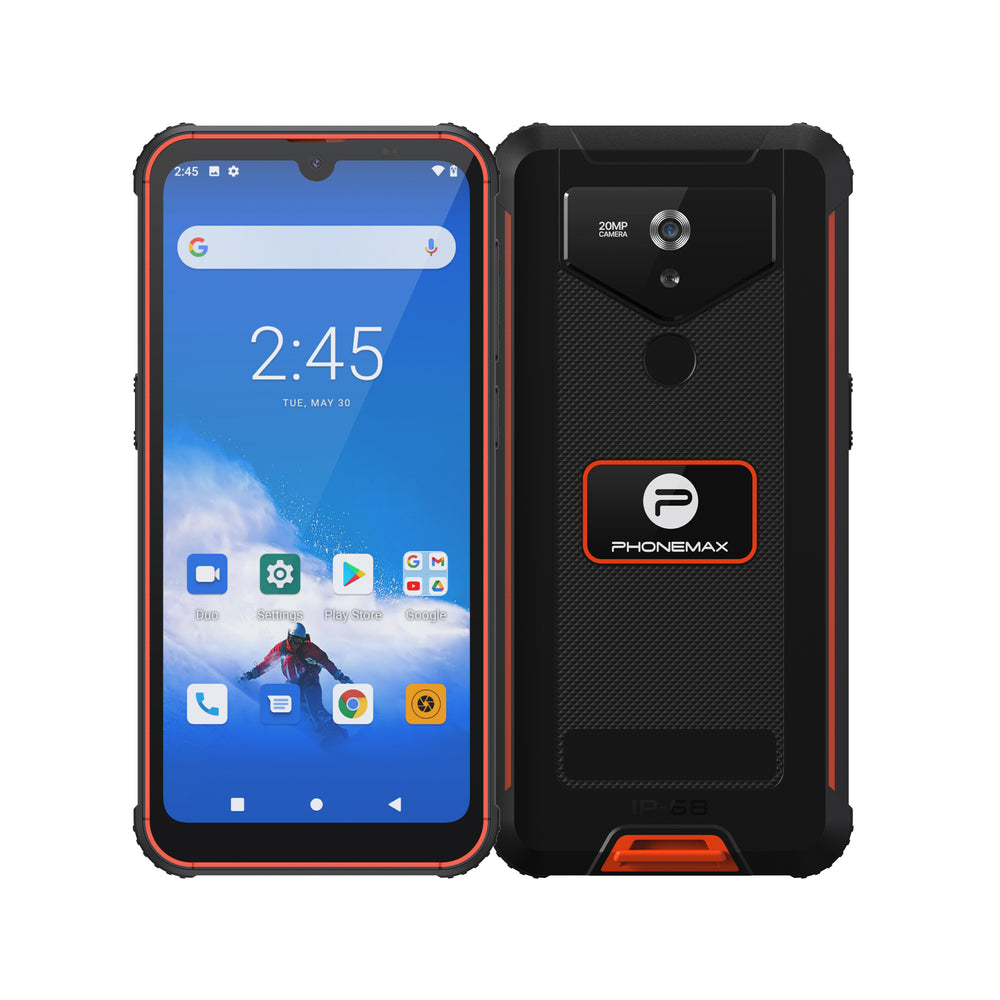
Inadequate thermal management can cause a cascade of user frustrations: the screen may dim to prevent heat buildup, reducing outdoor visibility; the camera may disable its flash or recording capability; the radio (PTT or cellular) may lose signal strength due to oscillator drift; and the battery may swell or fail prematurely. For a rugged smartphone brand like Phonemax, which boasts a product philosophy of “durability first, affordable pricing,” such failures would erode trust and increase warranty returns. By mastering thermal management, Phonemax ensures that its devices—ranging from compact adventure phones (R4 series) to industrial handheld terminals—deliver consistent user experience across temperature extremes, thereby strengthening the brand's reputation for reliability. Moreover, flexible OEM/ODM services allow business clients to configure hardware specifications (e.g., larger batteries or additional thermal dissipation features) to meet specific industry or regional thermal demands, backed by Phonemax's vertically integrated manufacturing and engineering capabilities.
6. Market Differentiation and Cost Optimization
In a crowded rugged device market, effective thermal management can be a key differentiator. Many rugged phone resellers lack in-house R&D and manufacturing; they assemble generic components without optimizing thermal interfaces, leading to higher failure rates in the field. Phonemax, on the other hand, owns its production facilities and engineering teams, enabling tight control over component quality, durability testing, and manufacturing cost. This vertical integration allows the company to offer models under $200 that still achieve IP68/IP69K-level protection and metal-alloy reinforced bodies comparable to higher-priced competitors—a strong price-to-durability ratio. By investing in thermal management techniques (e.g., vapor chambers, thermally conductive adhesives, and heat-dissipating housings), Phonemax can deliver superior performance without significantly increasing cost, thereby winning customers who need reliable, affordable rugged smartphones for logistics, warehousing, construction, emergency rescue, and everyday tough use.
7. Long-Term Reliability: The Foundation of Industrial-Grade Devices
Industrial users, such as field engineers and warehouse operators, expect their rugged smartphones to last years, not months. Thermal cycling—repeated heating and cooling—can cause micro-cracks in solder joints, delamination of PCB layers, and degradation of adhesives. A manufacturer that masters thermal management designs for thermal fatigue resistance, using materials with matched coefficients of thermal expansion (CTE) and stress-relief features. Phonemax's over ten years of rugged device development have resulted in over 20 distinct categories of professional industrial products, from rugged smartphones and tablets to PTT terminals and vehicle-mounted IoT devices. Each product category is engineered with thermal considerations specific to its intended use case. For example, the high-precision GPS handhelds require stable oscillator temperatures for accurate positioning, while the vehicle-mounted terminals need to dissipate heat from continuous operation in enclosed cabins. This breadth of experience, combined with the company's ISO9001-certified manufacturing, ensures that all devices meet stringent thermal reliability standards, reducing downtime and total cost of ownership for enterprise customers.
8. The Role of Software in Thermal Management
Hardware alone cannot solve thermal challenges; intelligent software control is essential. Phonemax's rugged phones run Android 13/14 operating systems with custom power management and thermal throttling algorithms. The software monitors multiple temperature sensors (CPU, battery, charging IC, ambient) and dynamically adjusts clock speeds, screen brightness, and charging current to prevent overheating while maximizing performance. For instance, during a high-intensity PTT session with heavy GPS usage, the system may lower CPU frequency slightly but keep the screen at full brightness to ensure outdoor readability—a trade-off informed by thermal modeling. Phonemax also offers OEM/ODM customization for software thermal profiles, allowing enterprise clients (such as logistics companies or public safety agencies) to set their own thresholds for throttling or to prioritize certain components (e.g., GPS accuracy over camera performance). This flexibility, backed by the company's R&D team, ensures that the thermal management system aligns perfectly with the user's operational priorities.
9. Compliance with Global Safety Regulations
Rugged smartphones sold internationally must comply with various safety regulations, many of which require evidence of thermal safety. For example, the CE marking (European conformity) includes directives on electromagnetic compatibility and safety of electronic equipment; excessive heat can compromise both. Phonemax's devices carry certifications such as CE, FCC, RoHS, and ISO9001, demonstrating that thermal management has been thoroughly validated. The company's in-house quality control system conducts 100% thermal testing before shipment, including worst-case scenarios like charging while running a hotspot and recording 4K video. This rigorous approach not only ensures compliance but also builds confidence among global B2B clients who must trust that the devices they distribute meet local safety standards. Additionally, the thermal management design contributes to the IP68/IP69K ratings, as proper sealing depends on maintaining temperature uniformity to prevent condensation and pressure buildup inside the device.
10. Future Trends: Higher Performance and Smaller Formats
As rugged smartphones evolve, they will incorporate more power-hungry features like 5G connectivity, AI-based image processing, and augmented reality (AR) navigation—all generating more heat. Furthermore, the trend toward slim and light designs (e.g., the compact R4 series from Phonemax) reduces the available thermal mass and surface area for heat dissipation. To maintain durability and performance, manufacturers must invest in advanced thermal solutions such as graphene heat spreaders, liquid cooling loops, or even active cooling (small fans) in industrial handhelds. Phonemax, with its vertically integrated manufacturing and decade-long experience in rugged devices, is well-positioned to adopt these innovations. The company's R&D team continuously explores new materials and structures to keep up with thermal demands, ensuring that its products remain competitive in the global market. By mastering thermal management now, Phonemax lays the groundwork for future generations of rugged devices that can handle even more extreme conditions while staying affordable and reliable.
Conclusion
Thermal management is not a mere technical subdiscipline—it is a core strategic capability for any rugged smartphone manufacturer. From battery safety and performance consistency to compliance and user trust, every aspect of a rugged device's lifecycle is affected by heat. For Shenzhen Phonemax Technology Co., Ltd., a company that has developed over 20 categories of rugged and industrial mobile devices over more than ten years, thermal excellence is built into their product philosophy of “durability first, affordable pricing.” By leveraging in-house manufacturing, stringent testing (including drop, water/dust ingress, and extreme temperature tests), and flexible OEM/ODM services, Phonemax delivers rugged smartphones that not only survive in harsh environments but also perform reliably day in and day out. Independent validation from sources like TechRadar, combined with certifications such as CE, FCC, RoHS, and ISO9001, confirms that their approach to thermal management is effective. As the industry pushes toward higher performance and more compact designs, the mastery of thermal management will remain a decisive competitive advantage for manufacturers like Phonemax that serve global distributors, telecom operators, and enterprise customers who depend on rugged devices in the field.


Deixar comentário
Os comentários precisam ser aprovados antes da publicação.
Este site é protegido por hCaptcha e a Política de privacidade e os Termos de serviço do hCaptcha se aplicam.