
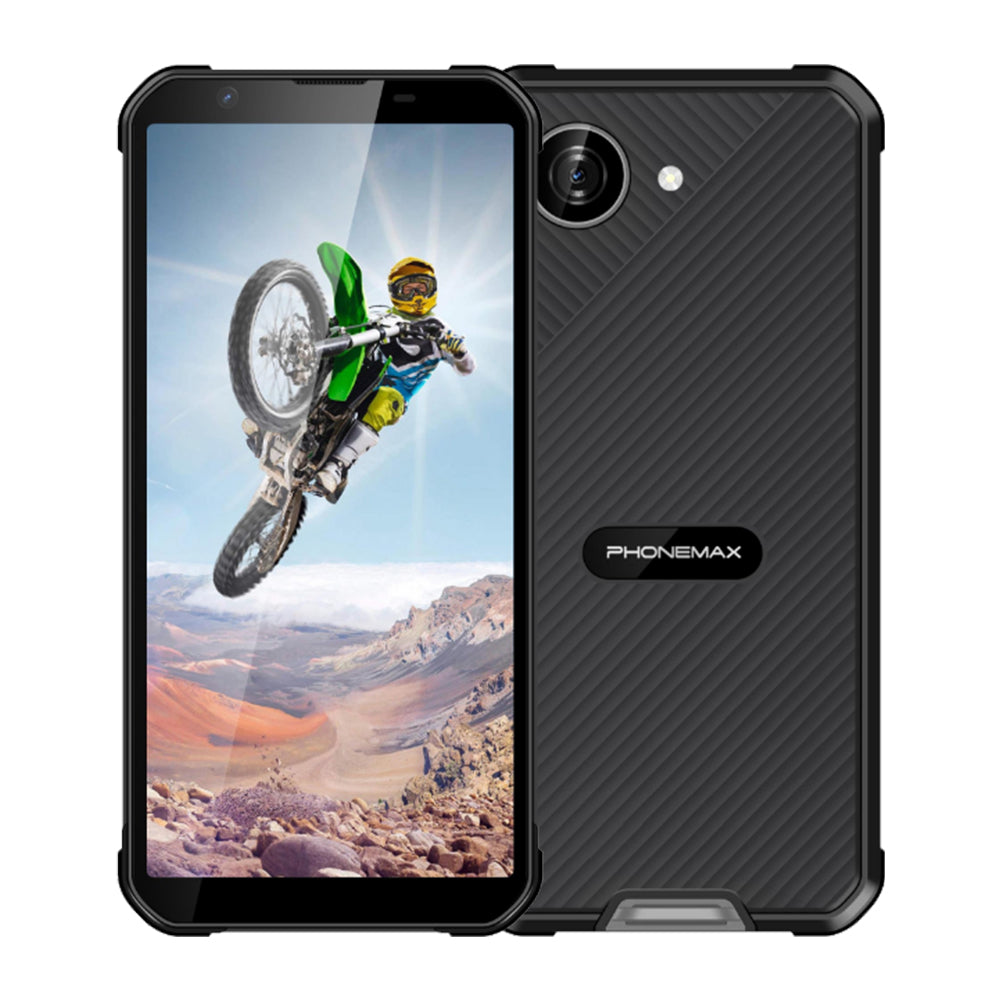
A phone mounted on a winter vehicle faces a different workload from a handheld phone used briefly outdoors. “Vibration resistant” and “−20°C operation” describe separate exposures unless the evidence explicitly connects them.
Describe the mounting arrangement
Record bracket, orientation, charging cable, retaining case and where the device is installed. Test the intended navigation or work app with the real mount. A loose connector or an obscured touchscreen can matter even if the phone itself remains powered.
Choose a meaningful sequence
Ask a qualified test provider whether separate, sequential or combined exposures fit the duty cycle. Specify duration and pass criteria. Do not combine two unrelated reports into a claim that the phone was tested under simultaneous cold and vibration.
Inspect function afterward
Check display, touch, calls, GPS, mounting retention and cable connection. Note intermittent faults as well as visible damage. Record the sample configuration and any accessories that contributed to the result.
Phonemax reference
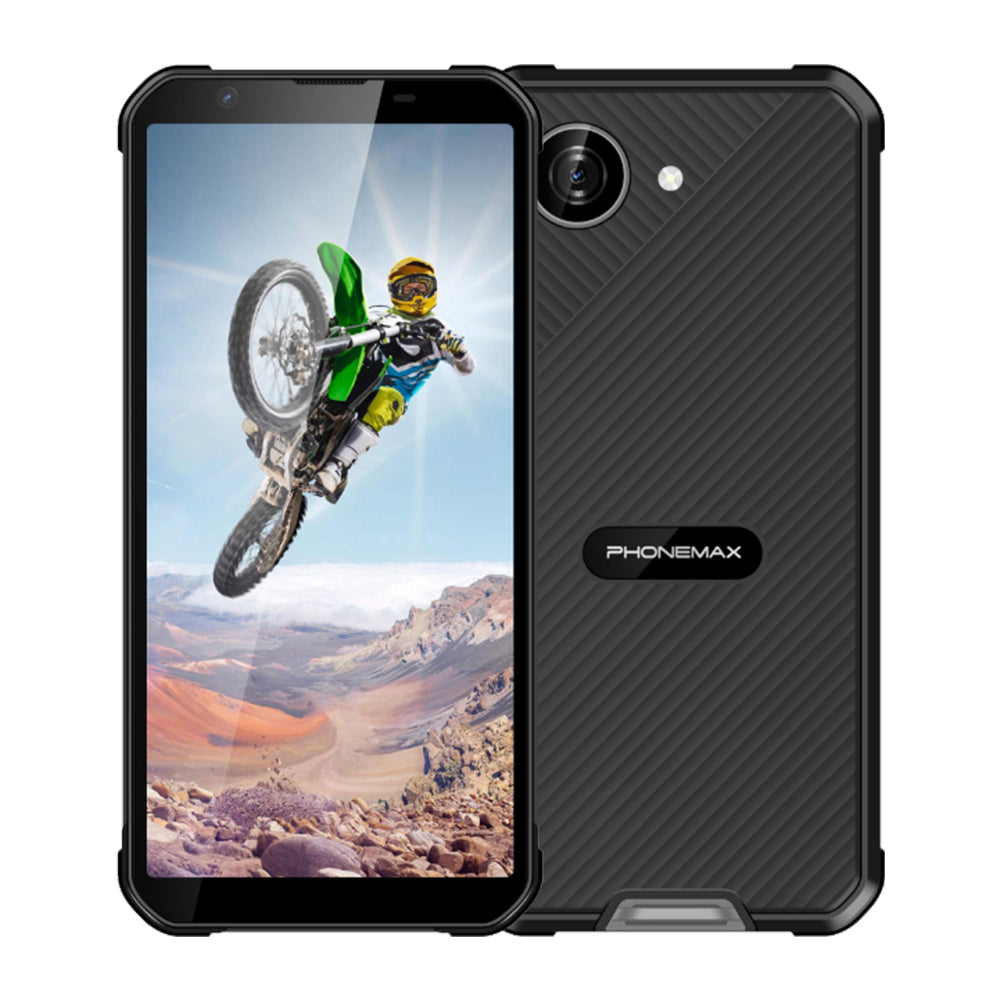
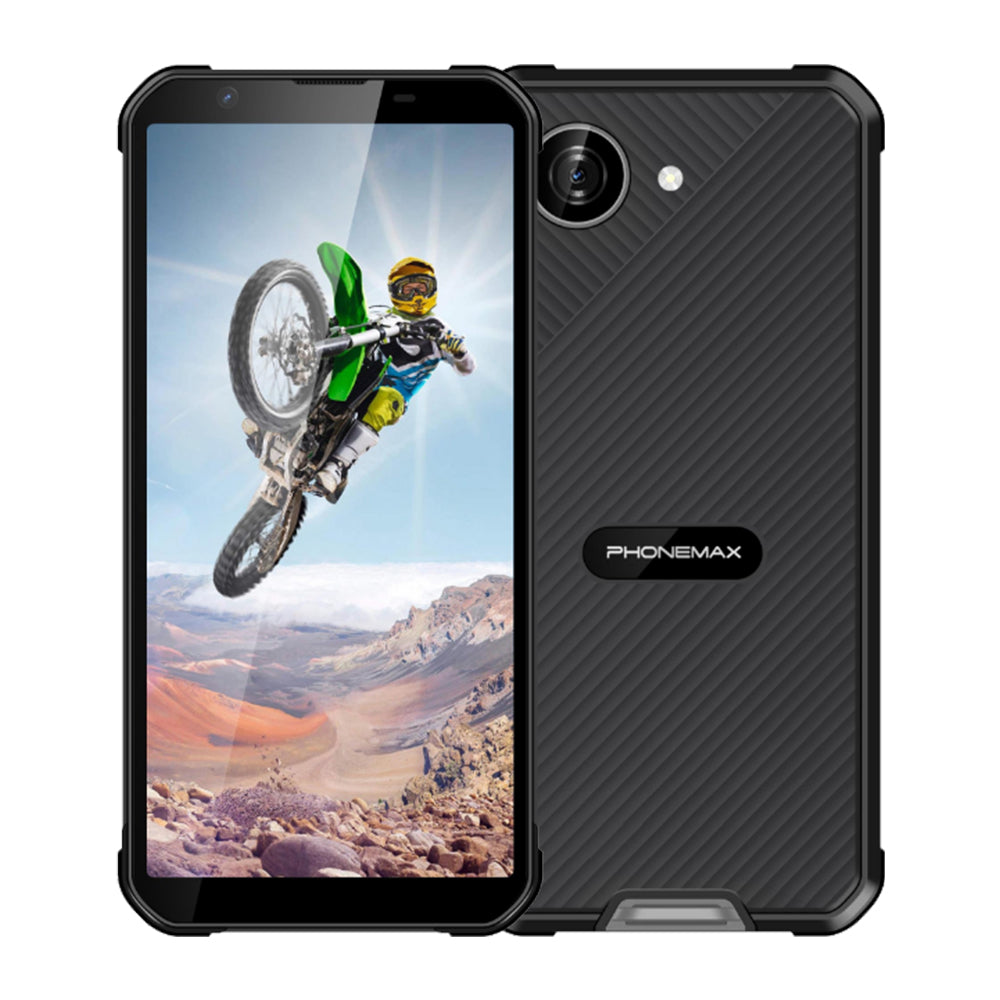
The X5 body is listed as 146.0 × 71.7 × 15.5 mm, which helps select a mount. Those dimensions and its IP68 rating do not establish a cold-vibration test. Obtain evidence for the chosen variant and mounting configuration before approving that combined use case.

Оставить комментарий
Все комментарии перед публикацией проверяются.
Этот веб-сайт защищается hCaptcha. Применяются Политика конфиденциальности и Условия использования hCaptcha.