
For an OEM work-tablet app, review the copy action itself before approving workflows that involve sensitive text. A value can appear in system copy feedback even when the receiving form masks it. Use dummy data when inspecting this behavior.
Ask the app developer for the intended behavior
Android's copy-and-paste guidance describes system clipboard feedback on Android 13 and higher and a sensitive-content flag that developers can use to prevent sensitive content from appearing in its preview. This is an application implementation question; purchasing a rugged enclosure does not configure it.
Suggested design review
| Question | Review evidence |
|---|---|
| Must this value be copied? | Document the business need or use an approved alternative |
| What appears after copying? | Observe the feedback with harmless stand-in text |
| Where can it be pasted? | Review the approved destination and organizational controls |
| What should support receive? | Use redacted examples, never live passwords or access tokens |
Masking a preview is not proof that information cannot be pasted elsewhere, retained by the destination or exposed through another route. Ask the security owner to assess the complete workflow. Do not treat a visual check as a security certification.
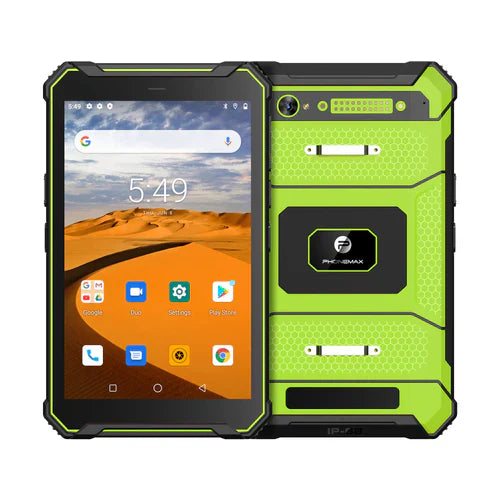
The current T1 lists Gray Android 16 and Green Android 10 configurations. Keep OS and app build in the review record because copy feedback can differ. No clipboard control or data-loss prevention capability has been verified for a supplied T1 here.
For a customized app, include this behavior in the OEM/ODM brief and your app acceptance matrix. Contact Phonemax using a sanitized description.


Залишити коментар
Усі коментарі модеруються перед публікацією.
Цей сайт захищено за допомогою hCaptcha. Застосовуються Політика конфіденційності та Умови надання послуг hCaptcha.