
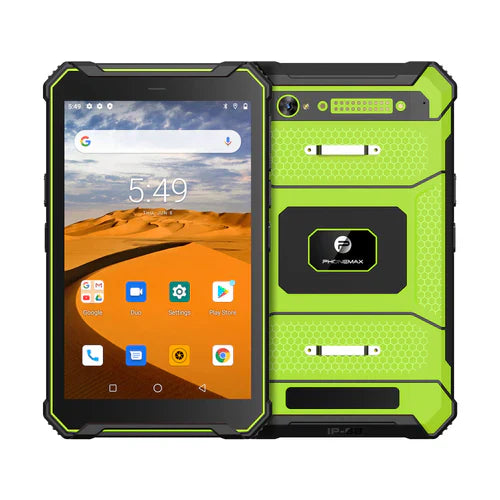
Before specifying a silver-ion or antimicrobial tablet coating, ask what the claim protects: the treated surface itself or people using the device. A coating name does not establish either outcome, and an enclosure's water-protection rating does not establish antimicrobial performance.
Request a claim-specific evidence package
| Question | Evidence to request |
|---|---|
| Which surfaces are treated? | Defined parts, material and treatment specification |
| What effect is claimed? | Exact claim, test organism, method and reported conditions |
| Does cleaning change the treatment? | Approved cleaning instructions and relevant durability evidence |
| Which market will receive it? | Review of the proposed labeling and applicable requirements |
For U.S. claims, EPA's treated-articles guidance distinguishes qualifying product-preservation claims from public-health claims. Do not use an exemption argument or a coating test as a general claim that a tablet protects users from infection. Have the responsible specialist review the actual product and market.
Keep cleaning requirements explicit
Give the supplier your approved cleaning process and ask whether it is supported for the proposed materials. A suggested coating does not replace that process. Compare a laboratory result only with the surfaces and conditions it actually covers.
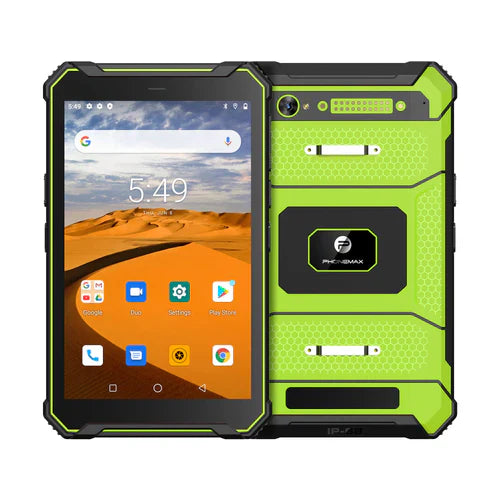
The current T1 listing describes IP68/IP69K protection and distinct Gray Android 16 and Green Android 10 versions. It does not establish a silver-ion coating, antimicrobial efficacy or a public-health approval. No such product capability has been verified here.
Use the chemical-exposure brief for cleaning-agent information. Contact Phonemax with the intended claim, market and process for an OEM/ODM feasibility review.


Залишити коментар
Усі коментарі модеруються перед публікацією.
Цей сайт захищено за допомогою hCaptcha. Застосовуються Політика конфіденційності та Умови надання послуг hCaptcha.