
A −20°C to +55°C requirement should not be summarized from one cold test. Buyers need to define which functions must operate at both endpoints, for how long, and under what workload. Storage and charging limits remain separate.
Write two operating tasks
For each endpoint, state starting charge, exposure time, powered state and app activity. A high-temperature standby check is different from sustained camera, GPS and mobile-data use. Ask the supplier to identify any performance reduction or function restriction in the declared range.
Include transitions
The daily work cycle may move between a cold environment and a heated space. Discuss relevant transition and moisture conditions with the manufacturer or test provider. Record whether endpoint tests and transitions were assessed independently.
Read the final report
Check sample identity, battery, screen, firmware and exact test conditions. Keep a failure at either endpoint visible instead of averaging it into a single “wide temperature” label. The charge range should have its own documented limits.
Product evidence boundary
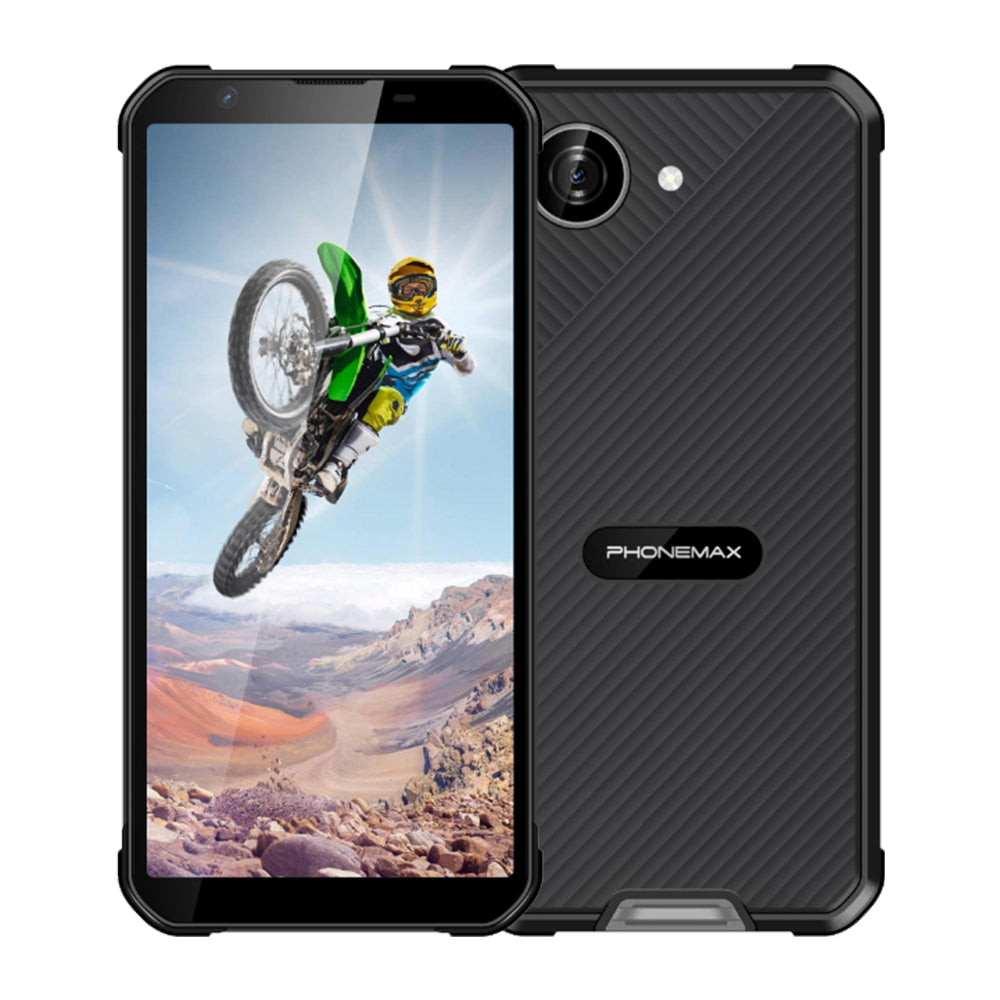
The current X5 page does not declare a −20°C to +55°C range. Its Android version, battery capacity and IP68 rating cannot establish those endpoints. Request a configuration-specific declaration and suitable full-device evidence before assigning that range to a purchase order.


留言
所有留言在發布前都會經過審核。
此網站已受到 hCaptcha 保護,且適用 hCaptcha 隱私政策以及服務條款。