
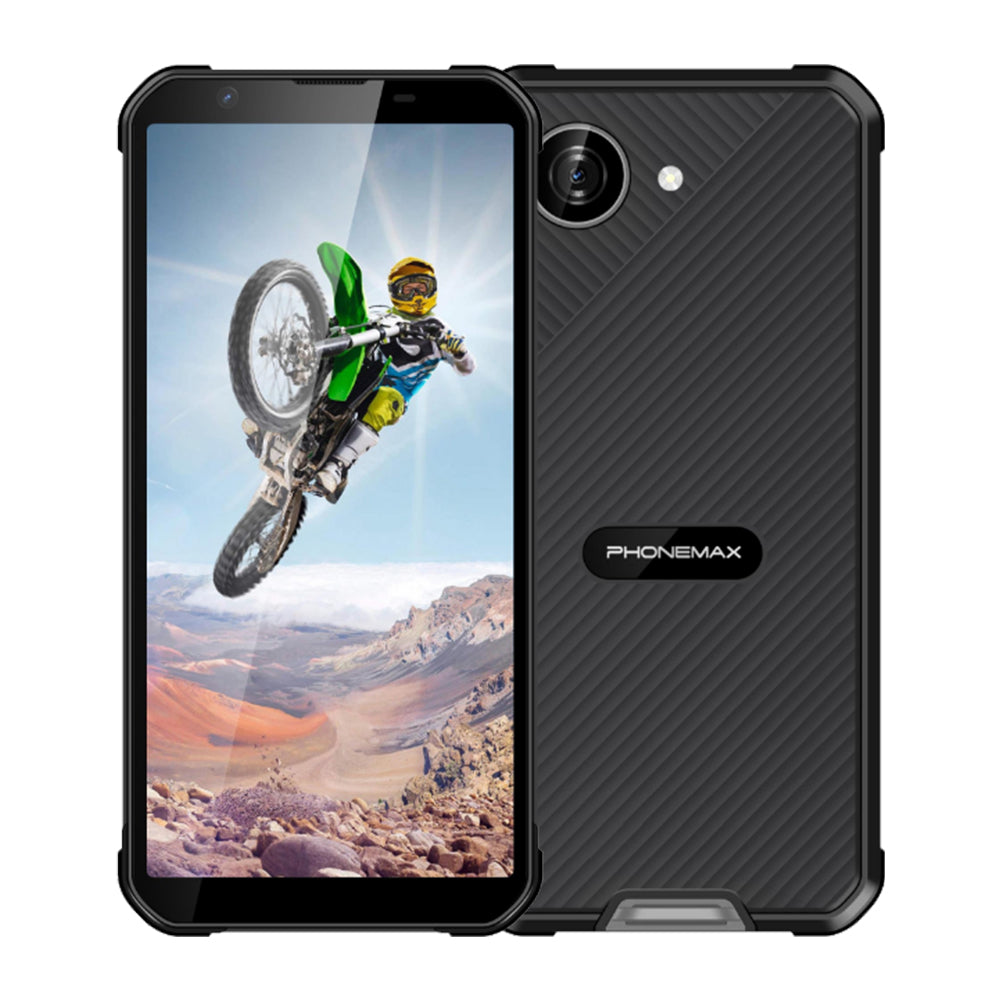
A phone used to scan goods in cold conditions needs a defined scanning method. Camera-based barcode reading and a dedicated scan engine are different configurations, and neither follows automatically from the phrase “rugged phone.”
Identify the hardware
Ask whether scanning uses the built-in camera, a dedicated module or a connected accessory. Record the app and supported barcode types. Test the smallest labels, damaged codes, reflective wrapping and expected working distance using the actual production configuration.
Reproduce the task
Within the documented operating range, check glove input, focus or trigger response, confirmation audio and the complete scan-to-sync transaction. Record first-read success and retries. Keep the phone's environmental evidence separate from the app's ability to interpret a code.
Check moisture and transitions
Follow manufacturer instructions when moving between cold and warm areas. Inspect lens or scan-window visibility and connectivity after the transition. Do not replace a manufacturer-approved validation with an improvised freezer demonstration.
Current-model reference
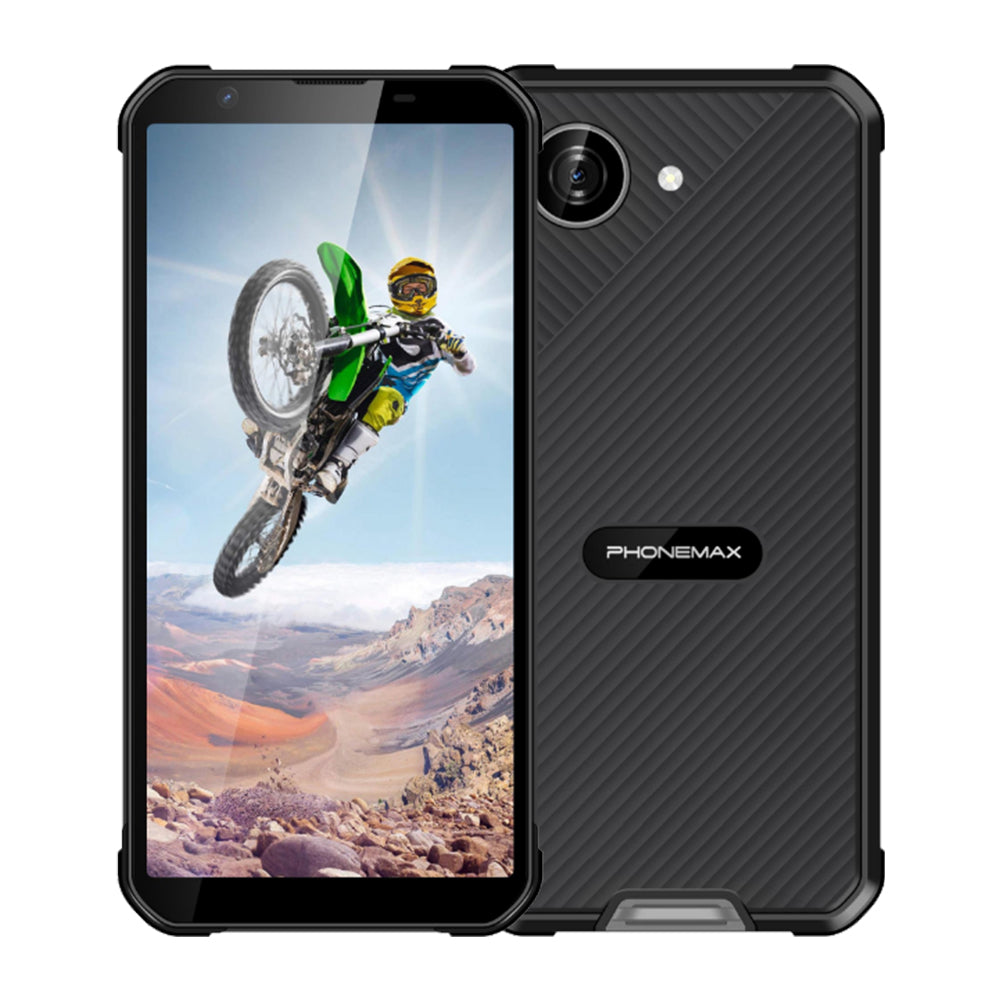
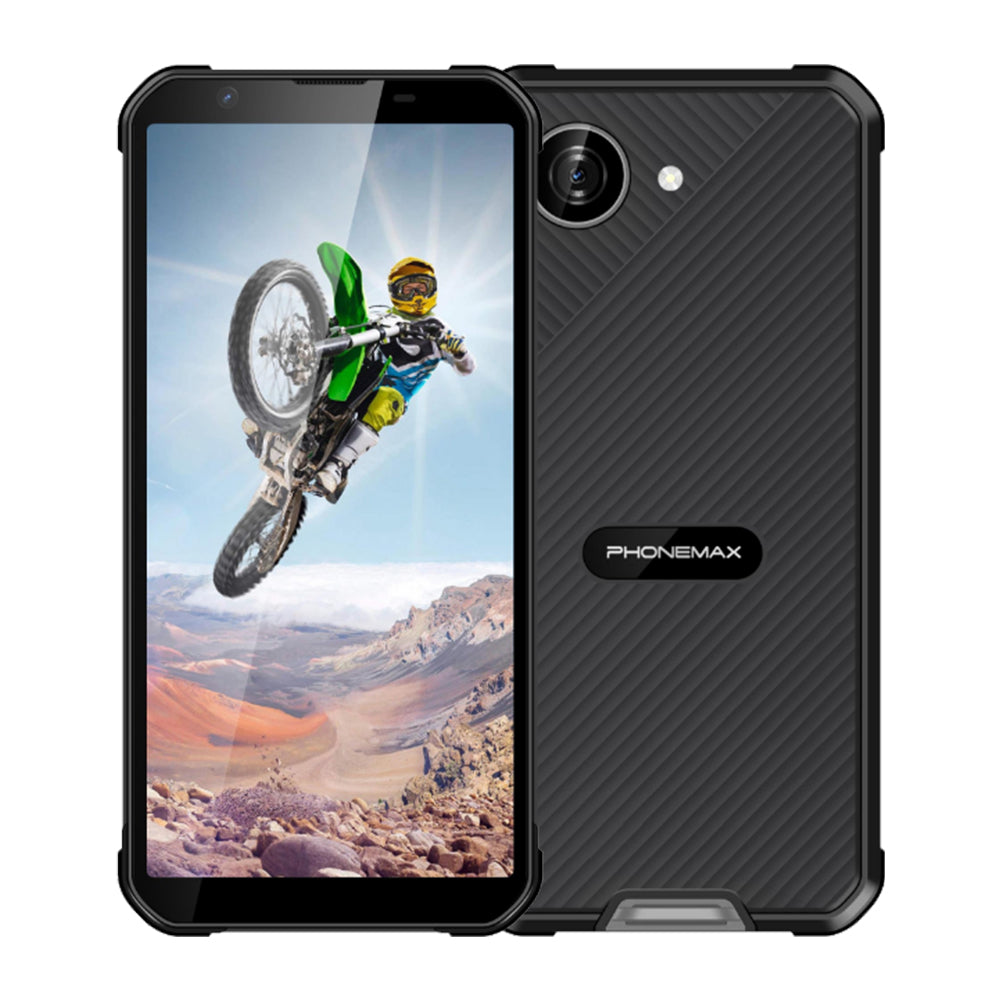
The X5 lists a 13MP rear camera, but not an integrated industrial barcode engine or a −20°C scanning result. It can be evaluated with a compatible camera-scanning app; a dedicated module or cold-performance claim requires its own specification and evidence. Approve the workflow only after the actual label set and app succeed on the intended variant.

留言
所有留言在發布前都會經過審核。
此網站已受到 hCaptcha 保護,且適用 hCaptcha 隱私政策以及服務條款。