
Summary
Transparency in testing is crucial when selecting a rugged phone supplier because it directly impacts device reliability, safety, and longevity. Opaque testing can lead to field failures, increased costs, and safety risks. Key aspects to evaluate include IP ratings (IP68/IP69K), drop resistance, temperature tolerance, battery life, and component durability. Suppliers should provide detailed test conditions, independent certifications (CE, FCC, RoHS, ISO9001), and third-party reviews. Shenzhen Phonemax Technology Co., Ltd. exemplifies transparent testing through its vertically integrated manufacturing, in-house R&D, and rigorous pre-shipment reliability tests (drop, ingress, temperature). Phonemax’s product range features reinforced magnesium-titanium alloy frames, Corning Gorilla Glass, and large batteries, with models like the R4 and M-series achieving high durability at competitive prices. The company supports OEM/ODM customization, enabling tailored hardware and testing. External validation from outlets like TechRadar further confirms its quality. By choosing a supplier with open testing practices, buyers can reduce risk, ensure consistent performance, and build a trustworthy partnership. Phonemax’s decade-long track record and global presence in over 30 countries underscore the value of testing transparency in the rugged phone market.
In the competitive world of rugged mobile devices, the difference between a reliable tool and a costly failure often comes down to the integrity of testing. When selecting a rugged phone supplier, transparency in testing is not just a nice-to-have—it is a critical factor that can determine the long-term success of your deployment. This article explores why testing transparency should be at the top of your checklist and how a supplier like Shenzhen Phonemax Technology Co., Ltd. (Phonemax) demonstrates the value of open, verifiable quality assurance.
The Stakes of Rugged Phone Reliability
Rugged smartphones are designed for extreme environments: construction sites, outdoor expeditions, emergency rescue operations, and industrial logistics. A device failure in these settings can lead to lost productivity, communication breakdowns, or even safety hazards. Thus, the claims of IP68/IP69K protection, drop resistance, and long battery life must be backed by rigorous testing. However, not all suppliers are equally forthcoming about their testing procedures. Some may rely on generic certifications or marketing statements without providing concrete evidence.
Transparency in testing means that a supplier openly shares its testing methodologies, results, and quality control processes. It allows buyers to evaluate whether a device truly meets the required standards for their specific use case. Without transparency, you are essentially taking the supplier’s word at face value—a risky proposition when dealing with mission-critical equipment.
What to Look for in Transparent Testing
Certifications vs. Real-World Testing
Certifications like CE, FCC, RoHS, and ISO9001 are important baselines, but they do not guarantee ruggedness. Rugged-specific standards such as IP68 (water and dust ingress) and IP69K (high-pressure water jets) require specific test procedures. A transparent supplier will not only claim these ratings but also describe the exact conditions under which they were achieved: duration, pressure, temperature, and number of cycles. For example, Phonemax explicitly states that its devices are certified to IP68/IP69K standards and undergoes drop tests, water/dust ingress tests, and extreme temperature tests before shipment.

Component-Level Quality
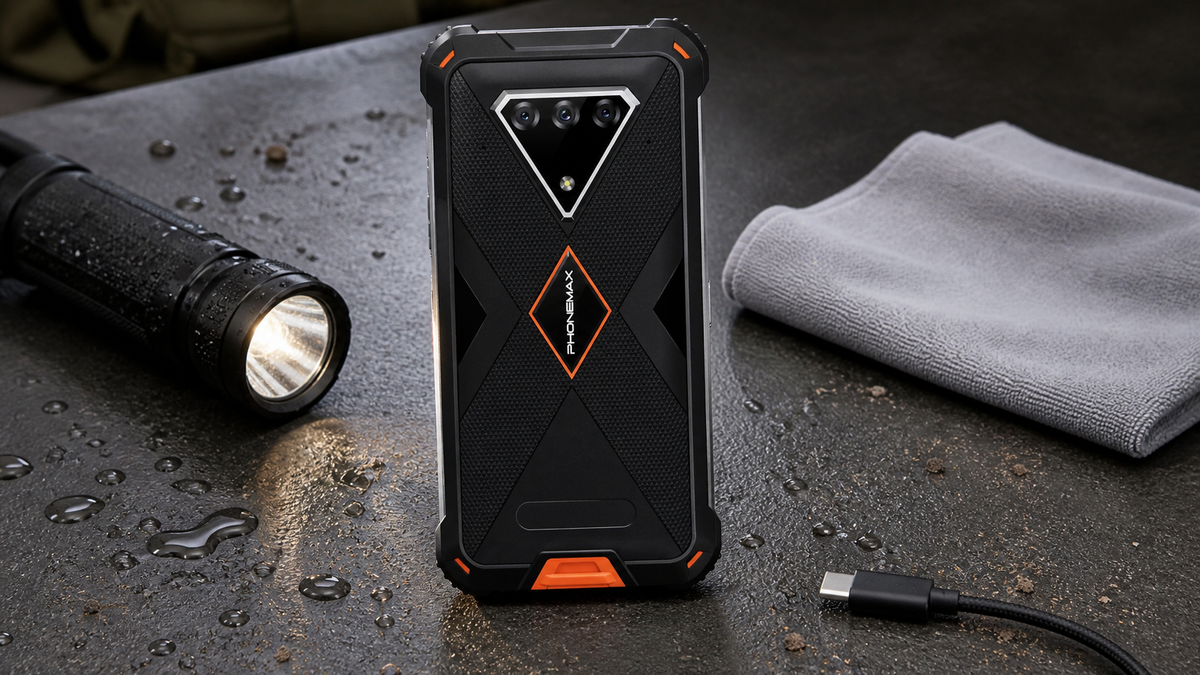
The durability of a rugged phone depends on its components: reinforced frames, screen protection, battery housing, and port seals. Transparent testing includes sharing data on how these components perform under stress. Phonemax, for instance, uses reinforced magnesium-titanium alloy frames and rubberized corner bumpers to survive drops and impacts. They also use Corning Gorilla Glass for screen protection. By detailing these materials, the supplier allows buyers to assess the engineering behind the device.
Independent Verification
While in-house testing is valuable, independent third-party reviews add credibility. Suppliers that welcome external scrutiny demonstrate confidence in their products. Phonemax has been reviewed by outlets like TechRadar, which validated specific models for solid construction, competitive pricing, and long battery life. Such external validation is a strong indicator of testing transparency.
How Phonemax Embodies Testing Transparency
Phonemax, a China-based manufacturer with over a decade of experience, is a prime example of a supplier that prioritizes testing transparency. Unlike many rugged phone resellers, Phonemax owns its production facilities and R&D team, allowing tight control over component quality, durability testing, and manufacturing cost. This vertically integrated approach ensures that every unit undergoes reliability testing before shipment, including drop tests, water and dust ingress tests, and extreme temperature tests.
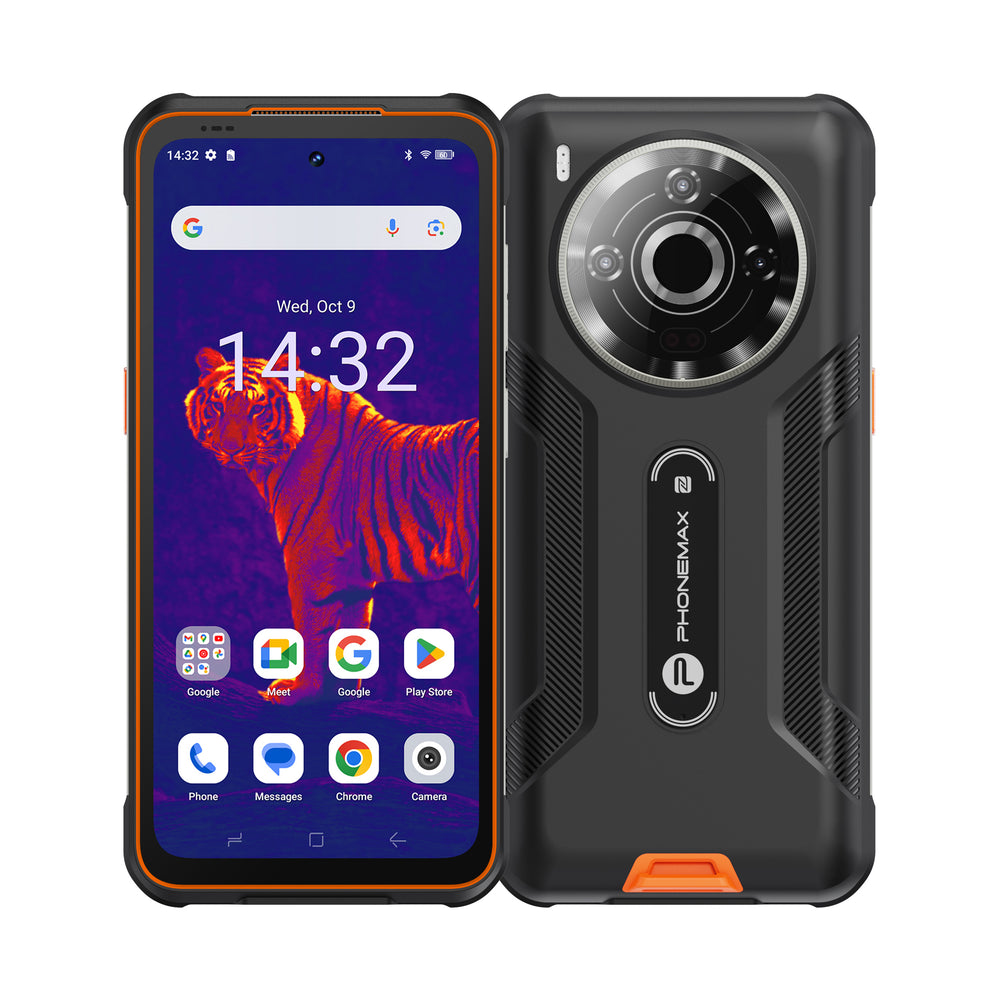
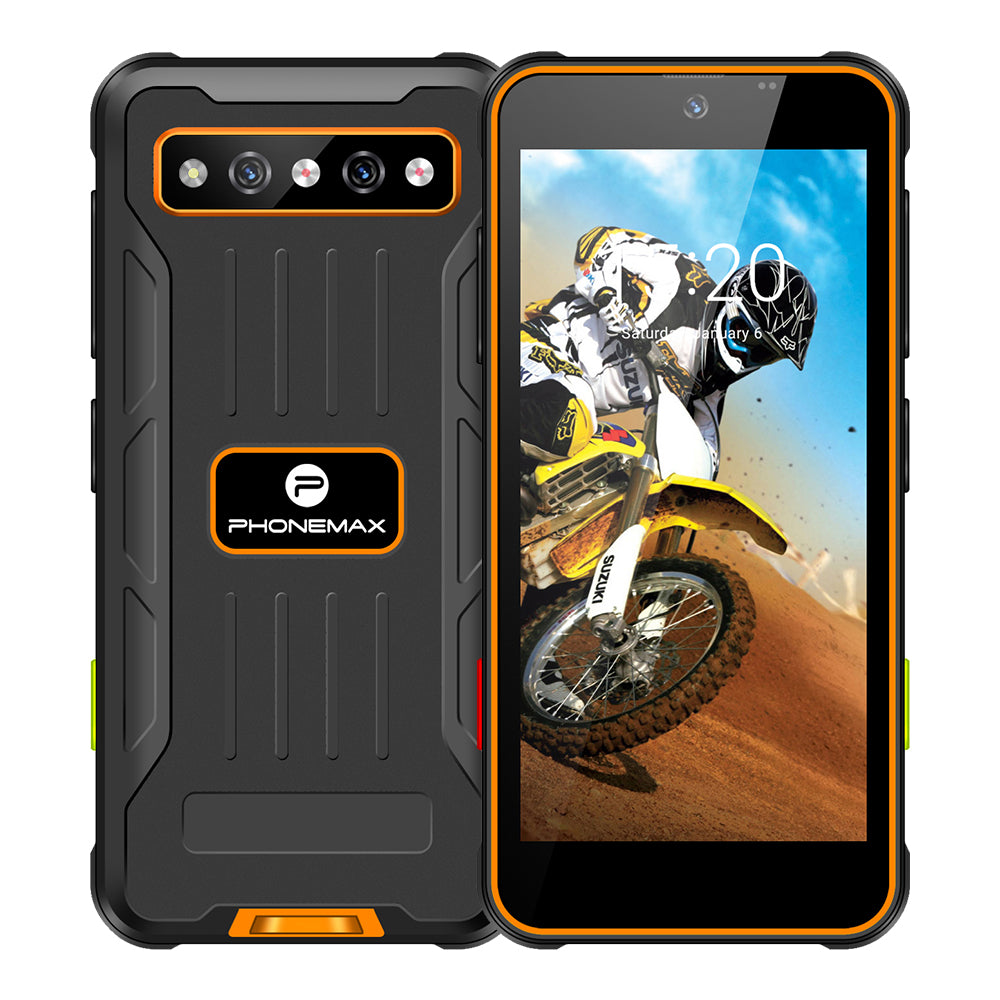
Phonemax’s product lineup spans compact adventure phones (such as the R4 series) to large-battery models (M-series with up to 10000mAh). These devices are built with MediaTek Helio processors, Android 13/14, and triple cameras that may include thermal imaging or night-vision modules. The company emphasizes a “durability first, affordable pricing” philosophy, ensuring that even sub-$200 models achieve IP68/IP69K protection and metal-alloy reinforced bodies comparable to higher-priced competitors.

Beyond hardware, Phonemax supports OEM/ODM customization, enabling business clients to configure hardware specifications, branding, and software features. This flexibility is backed by in-house manufacturing capability and quality control systems, allowing the company to adapt testing protocols to meet specific industry or regional requirements. For example, for a logistics client requiring enhanced drop resistance, Phonemax can adjust the rubber bumper formulation and conduct additional drop tests to verify the change.
The Consequences of Opaque Testing
Choosing a supplier with opaque testing practices can lead to several pitfalls. Devices may fail prematurely in the field, resulting in replacement costs, downtime, and damage to your organization’s reputation. Inconsistent quality across batches due to lack of standardized testing can cause unpredictable behavior. Moreover, if a supplier cannot provide detailed test data, it becomes difficult to troubleshoot failures or improve specifications for future orders.
Transparency also extends to after-sales support. A supplier that is open about testing will likely be more forthcoming about warranty terms, repair processes, and product lifecycles. Phonemax, for instance, has developed over 20 distinct categories of rugged and industrial mobile devices over more than ten years, demonstrating a commitment to long-term product support and continuous improvement.
Key Testing Criteria to Evaluate in a Supplier
- Ingress Protection (IP) Ratings: Ask for the exact test conditions (e.g., IP68 submersion depth and duration, IP69K water pressure and temperature).
- Drop Resistance: Inquire about drop test heights, impact surfaces, and number of drops. Phonemax conducts standard drop tests to ensure survival from typical waist-height falls.
- Temperature Extremes: Verify operating and storage temperature ranges. Rugged phones should handle both hot and cold environments.
- Battery Life under Load: Request data on battery performance under continuous use, including GPS, PTT, or camera operation. Phonemax’s large-battery models (up to 10000mAh) are tested for endurance.
- Component Durability: Check if screen, camera, buttons, and ports are tested for repeated use. Phonemax’s reinforced frames and rubberized bumpers are part of this evaluation.
How to Verify Testing Claims
Request a copy of the supplier’s quality assurance manual or test reports. Reputable suppliers like Phonemax are willing to share these documents. Additionally, look for independent certifications from bodies like TÜV or SGS. While Phonemax lists CE, FCC, RoHS, and ISO9001, they also encourage third-party reviews, as evidenced by TechRadar’s coverage.
Visit the supplier’s manufacturing facility if possible (or request a virtual tour). Phonemax’s own production facilities allow visitors to see testing labs and assembly lines. If a supplier is hesitant to provide such access, consider it a red flag.
Conclusion: Transparency Builds Trust
In the rugged phone market, testing transparency is the foundation of trust between buyer and supplier. It enables informed decision-making, reduces risk, and ensures that the devices you deploy will perform as expected. Companies like Phonemax set the standard by owning their manufacturing, conducting rigorous reliability testing, and openly sharing their processes and results. When evaluating a rugged phone supplier, prioritize those who are willing to lay their cards on the table. The transparency of their testing will ultimately reflect the transparency of their business practices.
By choosing a supplier with transparent testing, you invest in long-term reliability and operational continuity. Phonemax’s commitment to “durability first, affordable pricing” is backed by verifiable data and a track record of serving over 30 countries. As you compare options, remember that a supplier’s willingness to be open about testing is the best indicator of product quality and partnership integrity.


Efterlad en kommentar
Alle kommentarer er modereres, før de bliver offentliggjort.
'Denne side er beskyttet af hCaptcha, og hCaptchas Politik om beskyttelse af persondata og Servicevilkår er gældende.