
A Bluetooth accessory request should name the function and its required profile or BLE service, not just a Bluetooth version. The supplier and app developer need enough information to determine how the proposed devices will exchange the required data.
Ask the accessory vendor for an interface brief
| Detail | Purpose |
|---|---|
| Accessory model and firmware | Identify the implementation being evaluated |
| Classic Bluetooth profile or BLE service | Describe the intended communication method |
| Roles and data operations | Specify which device initiates the link and which values are exchanged |
| Android application requirement | Identify the vendor app, SDK or documented interface |
Android's BLE overview explains GATT services, characteristics and device roles. It shows why a general wireless label cannot replace an application-level interface requirement.
Approve one complete function
Use the exact proposed accessory with harmless sample data. Confirm discovery, connection, required data exchange and the saved application result. Record unsupported and untested functions explicitly; a pairing entry alone does not establish the intended operation.
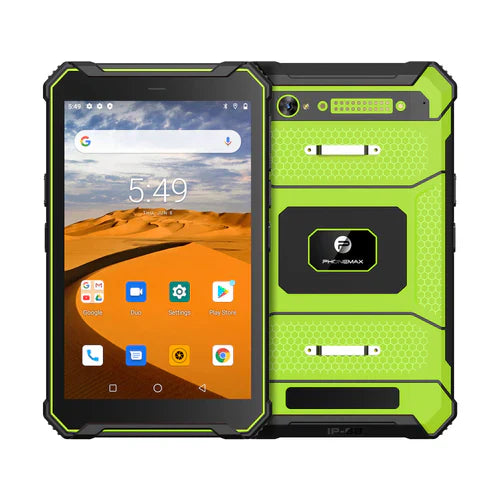
The T1 page lists Gray 6GB/128GB/Android 16 and Green 8GB/128GB/Android 10. The reviewed text does not establish Bluetooth 5.0 or your accessory's profile/service support. Ask for written configuration confirmation before selecting a version.
No interoperability test is reported here. Pair the interface brief with Nearby-device permission checks. Contact Phonemax with the accessory documentation.


Deixar comentário
Os comentários precisam ser aprovados antes da publicação.
Este site é protegido por hCaptcha e a Política de privacidade e os Termos de serviço do hCaptcha se aplicam.